
NASCAR’s ownership landscape is attracting outside money, with private equity firms and investors from other professional sports looking toward racing. Rising charter values and greater certainty around team ownership have made Cup organizations attractive, putting two familiar names in the spotlight.
Watch What’s Trending Now!
“In recent months, Trackhouse and Richard Childress Racing are among the teams that industry executives have pointed to as potential targets. Legacy has said publicly that it is back in the market seeking more funds, and Michael Jordan’s flashy 23XI Racing makes a natural target for stick-and-ball investors to eye,” According to Adam Stern of Sports Business Journal
The report places RCR and Trackhouse within a wider group of organizations drawing investor attention. Legacy’s search for additional funding and 23XI’s appeal to investors from other sports show that interest is not limited to teams already exploring ownership changes.
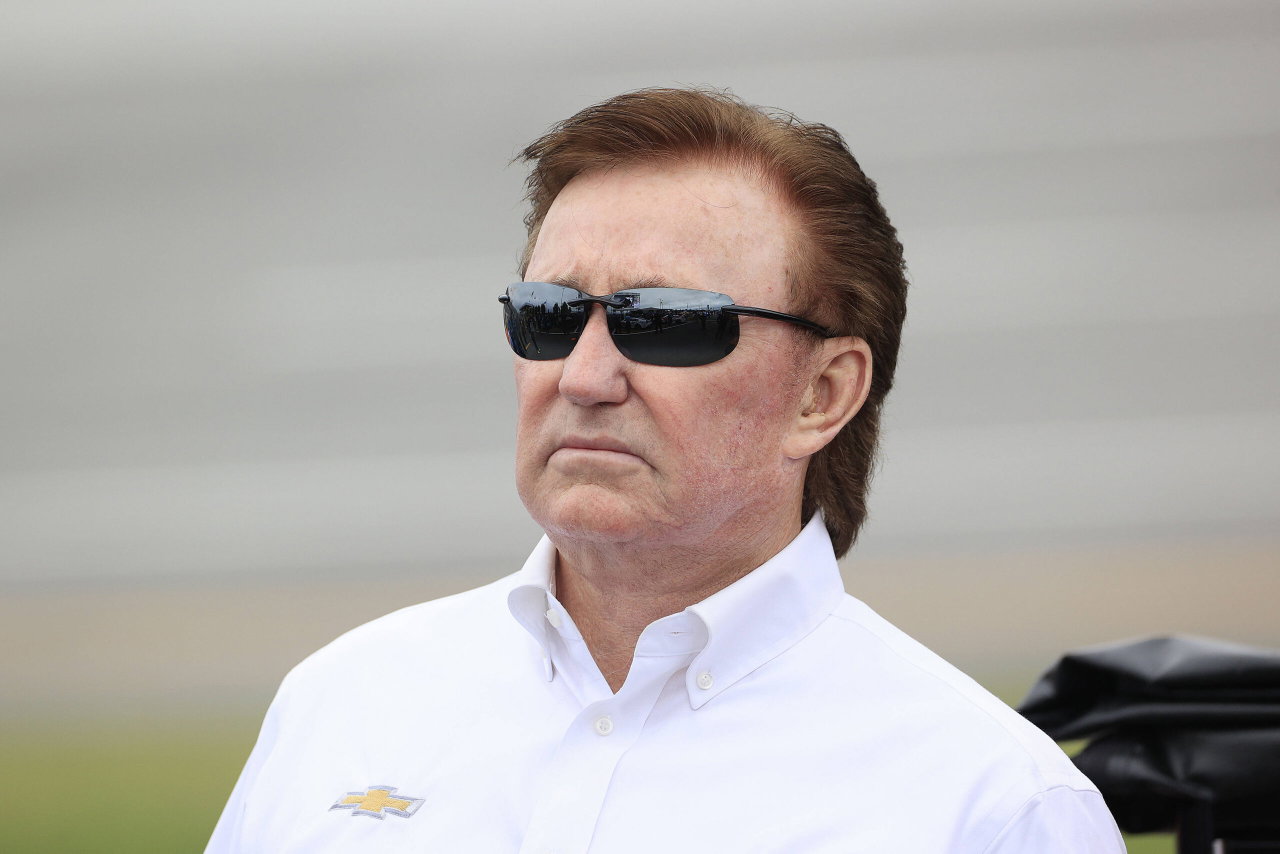
RCR has already explored outside investment. During last year’s antitrust trial, it emerged that Richard Childress had held discussions with prospective investors about selling an equity stake that included part of his 60% ownership.
The group reportedly included former NASCAR driver Bobby Hillin Jr., but the talks did not lead to a deal. The disclosure showed that a partial sale had been considered, but it did not establish that RCR is currently seeking a buyer.
Trackhouse has taken a different route by bringing outside capital into its parent company. In July 2024, Marc Lasry’s Avenue Sports Fund acquired a significant minority stake in Trackhouse Entertainment Group, which oversees the NASCAR team and its MotoGP operation.
The terms were not disclosed. The investment was intended to support technology and fan engagement, giving the organization backing as it continued to expand across motorsports.
A wider investment wave is reshaping NASCAR ownership
Trackhouse’s existing partnership has not stopped industry executives from identifying it as a possible target for further investment. In August, speculation surfaced that the team could sell a charter and reduce its Cup operation.
Owner Justin Marks pushed back against downsizing, saying, “I don’t really think downsizing for our company is the right thing to do.”
He pointed to sponsors committed to all three cars and Chevrolet’s support for the three-car operation. Trackhouse has not announced plans to sell a charter or another stake.
The wider appetite for team ownership was also evident in Brad Keselowski’s comments at Martinsville. After making an unsuccessful bid to buy RFK Racing from its other ownership groups, he said he remained interested in team ownership elsewhere.
“There’s a lot of interest in this sport right now. Tremendous interest in the sport on the ownership front, and it’s never been hotter,” Keselowski said. On October 31, RFK confirmed he would become a passive investor, ending his role in governance, competition oversight and board participation as he pursues a driving opportunity elsewhere.
The charter system helps explain the growing interest. NASCAR’s December 2025 settlement with 23XI Racing and Front Row Motorsports established evergreen charters, subject to mutual agreement, following the antitrust dispute.
Although the financial terms were confidential, the arrangement gave teams greater long-term security over assets that guarantee entry into Cup races and a share of revenue. Keselowski said the settlement helped investors, particularly in New York financial circles, view NASCAR as an “ownership asset with certainty.”
Legacy Motor Club’s reported $45 million purchase of a charter from Rick Ware Racing provides a recent benchmark. Industry executives now expect upcoming charter transactions to fall between $50 million and $100 million.
That range is a projection, not a confirmed valuation for RCR, Trackhouse or every charter. Still, it shows how sharply expectations have risen since the settlement.
Other teams demonstrate how outside capital can enter the sport. Knighthead Capital Management acquired a minority stake in Legacy Motor Club, while TWG Motorsports has a major ownership role in Spire Motorsports.
Joe Gibbs Racing also brought in Harris Blitzer Sports & Entertainment and Arctos Partners as minority investors. These partnerships connect racing organizations with wider commercial networks and expertise beyond the garage.
The appeal extends beyond charter values. Investors see opportunities in media rights, sponsorship, hospitality, content and licensing, alongside NASCAR’s established fan base. Formula 1’s growth in mainstream entertainment, helped by Netflix’s Drive to Survive, has also drawn attention to motorsports as a commercial category. Arjun Kapur of Left Lane Capital described motorsports as a “compelling” sports-investment area, citing its global reach, recurring revenue and passionate audiences.
NASCAR itself has received unsolicited approaches from businesses interested in equity investments or joint ventures, although CEO Steve O’Donnell has said the sanctioning body is not for sale.
That distinction matters: investor interest does not guarantee a transaction. Neither RCR nor Trackhouse has confirmed that it is pursuing a sale. But with both organizations on industry executives’ radar and charter values climbing, they remain part of a NASCAR ownership market attracting more attention than ever.