
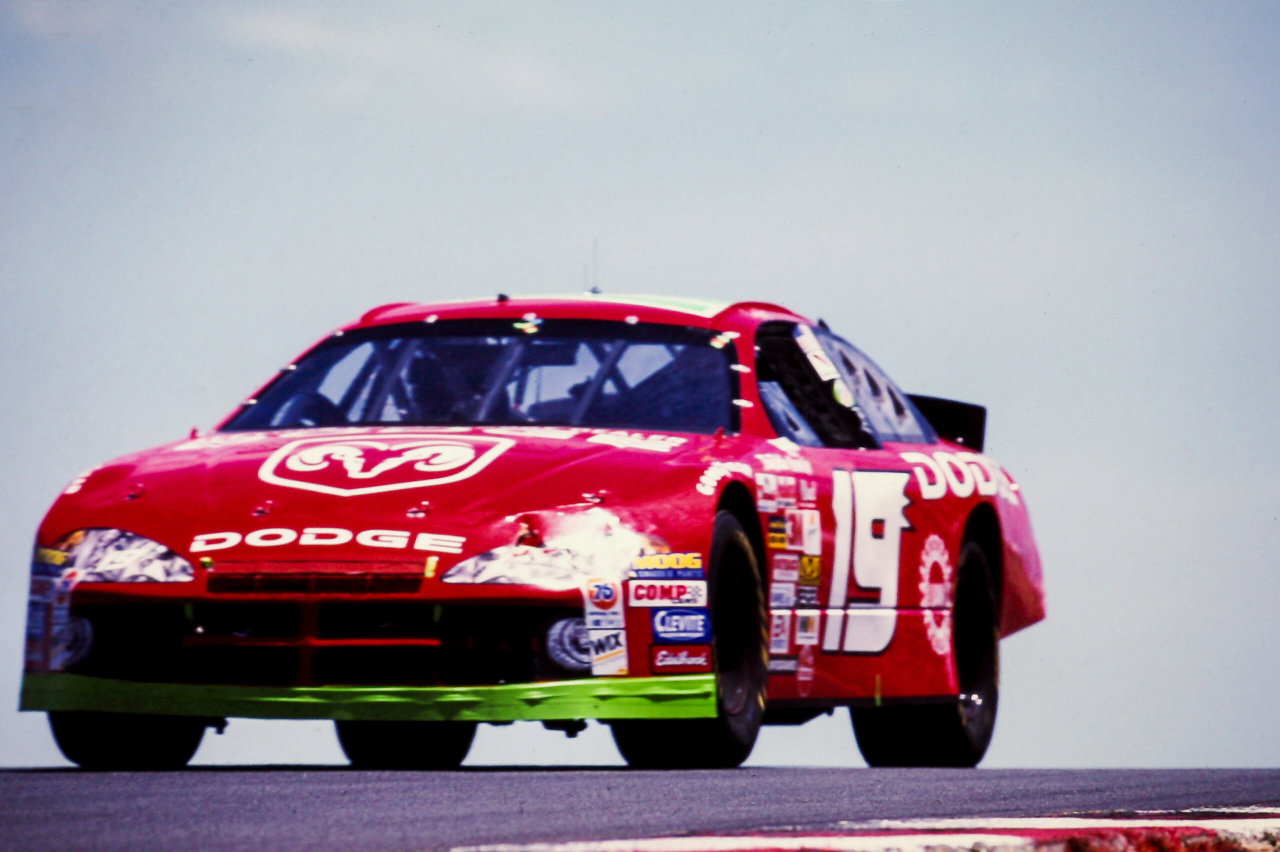
For the past few years, NASCAR has struggled to shake the narrative that its popularity is fading. Questions about television ratings, an aging fanbase, and the shift toward streaming have given critics plenty of reasons to question the sport’s direction. The debate grew louder in 2025, when Cup Series viewership dropped 14% during the first year of NASCAR’s new media rights deal. But the arrival of a fourth manufacturer has brought a different kind of conversation to the garage, and Kenny Wallace has a blunt response for those still writing NASCAR off.
Watch What’s Trending Now!
“So I congratulate Steve O’Donnell, the president of NASCAR, on a fourth automaker. Listen, Dodge and Stellantis, they got billions of dollars. They’re not going to jump in NASCAR because it’s failing. NASCAR is getting bigger and better. That’s not a softball. That’s the way it reads and everything I’ve read. So this is a glorious day for NASCAR,” Kenny Wallace said on the latest episode of Coffee with Kenny.
Wallace had a blunt message for those questioning NASCAR’s direction following Dodge’s announcement that it would return to the Cup Series in 2027. The veteran broadcaster believes a manufacturer backed by a company as large as Stellantis would not commit significant resources to the sport if it saw no future in it. For him, the arrival of a fourth manufacturer is more than a reason to celebrate. It is a sign that NASCAR still has plenty to offer.
Dodge will return after a 14-year absence, joining Chevrolet, Ford, and Toyota on the grid. Kaulig Racing will field a two-car Dodge Charger program, with the manufacturer set to make its first points-paying start at the 2027 Daytona 500. As for the drivers, Kaulig has yet to officially announce its 2027 lineup, but AJ Allmendinger and Ty Dillon are expected to return. Allmendinger is under contract through 2029, with options through 2032, while industry sources do not anticipate a change involving Dillon.
His comments come against a backdrop of genuine challenges for the sport. Cup Series viewership fell sharply in 2025, with the fragmented television schedule and changing viewing habits adding to concerns about audience growth. NASCAR still has work to do in those areas. However, there are other indicators that the business is attracting investment and maintaining a substantial audience.
The 2026 regular season delivered several encouraging numbers. NASCAR reported a 9% increase in event admissions compared with the previous year, including 11 Cup Series sellouts. Trackside merchandise sales climbed 26.8% to their highest level in at least a decade, while social impressions reached 1.94 billion, up 31% from 2025.
The commercial picture has shown signs of strength, too. Sports Business Journal reported that NASCAR entered the 2026 season with 57 official sponsors, including seven brands beginning their first seasons with the sport. NASCAR’s commercial leadership described 2025 as its strongest sponsorship year since the 2019 merger with International Speedway Corporation. O’Reilly Auto Parts and Freeway Insurance joined as Premier Partners, while established brands Coca-Cola and Mack Trucks renewed their commitments.
That does not mean every concern about NASCAR has disappeared. But the figures offer a more complicated picture than the idea that the sport is simply losing relevance. Wallace sees Dodge’s decision as another indication that manufacturers still recognize the value of being involved.
He also believes Dodge has made a smart move with its planned car reveal. The manufacturer will unveil its new Cup Series car on December 4 at the Snowball Derby at Five Flags Speedway in Pensacola, Florida. Rather than waiting until the start of the 2027 season, Dodge gets to put its new entry in front of racing fans during one of the biggest events on the short-track calendar.
Wallace also reflected on Dodge’s previous Cup history, recalling Bill Elliott’s time driving for Ray Evernham and Brad Keselowski’s 2012 championship with Team Penske. Keselowski’s title remains Dodge’s most recent Cup championship, making the manufacturer’s return particularly meaningful for longtime fans.
For Wallace, the combination of a fourth manufacturer, a major promotional platform, and NASCAR’s existing commercial reach makes this a moment worth celebrating. His message to critics is straightforward: a company does not make this kind of commitment to a sport it believes is going nowhere.