
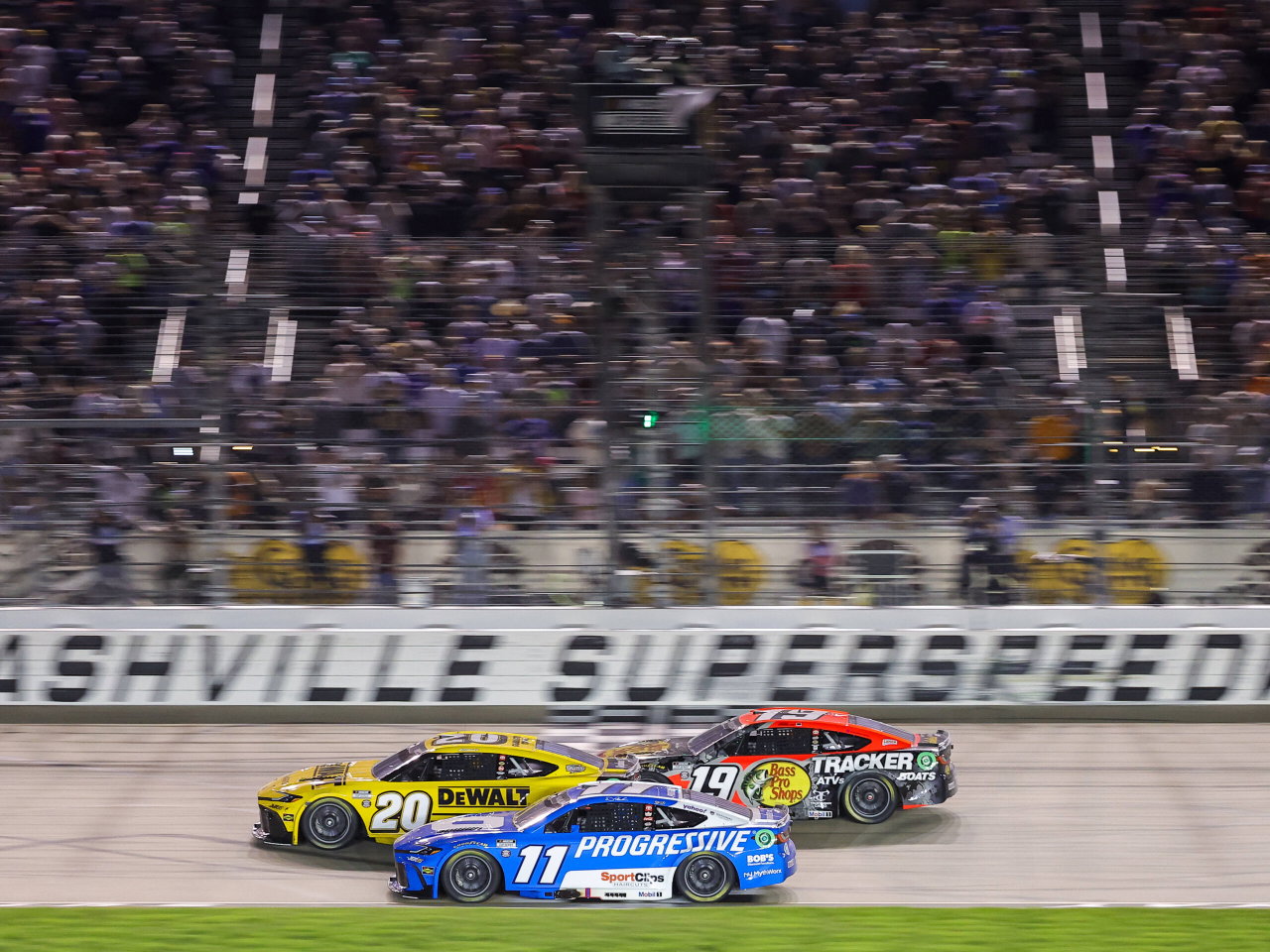
NASCAR’s 2026 Chase has made one thing clear: even the championship favorites are vulnerable. Sixteen drivers entered the 10-race battle with title ambitions, but mistakes, mechanical failures, and costly afternoons have exposed how quickly their campaigns can unravel. The pressure is mounting, and Kyle Petty believes this stretch of the season has revealed something important about what it really takes to become a NASCAR champion.
Watch What’s Trending Now!
“This chase this year has been phenomenal for me because they show the level of intensity it takes to be a champion in this sport,” Petty said on PRN’s Talk Fast as uploaded on X. “We have seen 16 guys start, and we’ve seen 16 guys make mistakes. We’ve seen 16 teams falter. We’ve seen 16 teams not live up to what our expectations were or their expectations.”
“And when you have a playoff system that exposes the Achilles’ heel, that exposes the weakness in these teams, and you have teams that can reach deeper and pull themselves up and do something special, that’s what a champion is.”
“It’s not a wild card draw in the last race, best guy wins, whatever it is. This is 10 races. So for me, I applaud NASCAR and applaud where we’re at right now with three races to go. And this has been a great time of the year. You talk about throwing back to old school; this has been a throwback for me.”
Kyle Petty’s assessment comes during the first season of NASCAR’s revamped championship system. Announced in January 2026, the format replaced the elimination-style playoffs used for more than a decade. The top 16 drivers in regular-season points qualify for the 10-race Chase, with no eliminations along the way.
The driver who accumulates the most points across those races wins the championship. Race winners receive 55 points, keeping victories valuable while maintaining an emphasis on consistent results.
The format has already produced plenty of evidence of how quickly a championship campaign can change. NASCAR’s analysis after the first five Chase races found that 47 of 80 driver-race appearances involved an incident, mechanical problem, pit-road mistake, or another significant setback. That meant nearly 59% of those appearances featured some form of adversity.
Kyle Larson’s Phoenix Setback Puts the Chase Format to the Test
Kyle Larson’s campaign illustrates how performance over multiple races can reshape the standings. He entered the Chase 55 points behind Denny Hamlin but built a 40-point lead after the first five rounds, creating a 95-point swing. Five consecutive finishes of fifth or better helped the Hendrick Motorsports driver establish himself as the championship favorite.
However, Phoenix exposed how quickly that advantage could disappear. Larson started 22nd and struggled with the balance of his No. 5 Chevrolet before a right-front tire failure sent him into the wall late in the race. He finished 34th, collecting just three points. Christopher Bell finished fourth, cutting Larson’s championship lead to five points with three races remaining.
The result changed the complexion of the title fight. A driver who had spent several weeks building an advantage suddenly faced renewed pressure, while his rivals gained an opportunity to close the gap. For Larson, the challenge now is to recover from a costly result without allowing one difficult afternoon to dictate the remainder of his season.
That is also why NASCAR’s decision to abandon elimination rounds matters. Under the previous system, contenders could be removed from championship contention at designated stages, leaving the title to four drivers in a winner-take-all finale.
The 2026 Chase instead allows all 16 qualifiers to score points throughout the postseason, placing greater emphasis on their collective performance over 10 races.
The change was intended to create a larger sample size, make every race matter, and balance consistency with the importance of winning. It also means a single poor result does not automatically end a driver’s title hopes. Instead, contenders must respond across the remaining rounds and accumulate enough points to finish ahead of their rivals.
That approach does not eliminate debate over NASCAR’s championship system. Some fans prefer a winner-take-all finale for its drama, while others believe a longer points battle better rewards a season’s body of work. Petty’s comments make clear where he stands in that discussion.
With Talladega Superspeedway, Martinsville Speedway, and Homestead-Miami Speedway remaining, the contenders have little time to recover from mistakes. Larson must protect his narrow advantage, while Bell and the other challengers look to capitalize on the opening.
The final three races will determine whether the leader can regain his momentum or whether another contender can deliver a stronger finish. For Petty, the test is about more than speed. The championship will ultimately reward the driver and team that can manage pressure, overcome setbacks, and perform when the stakes are highest.