
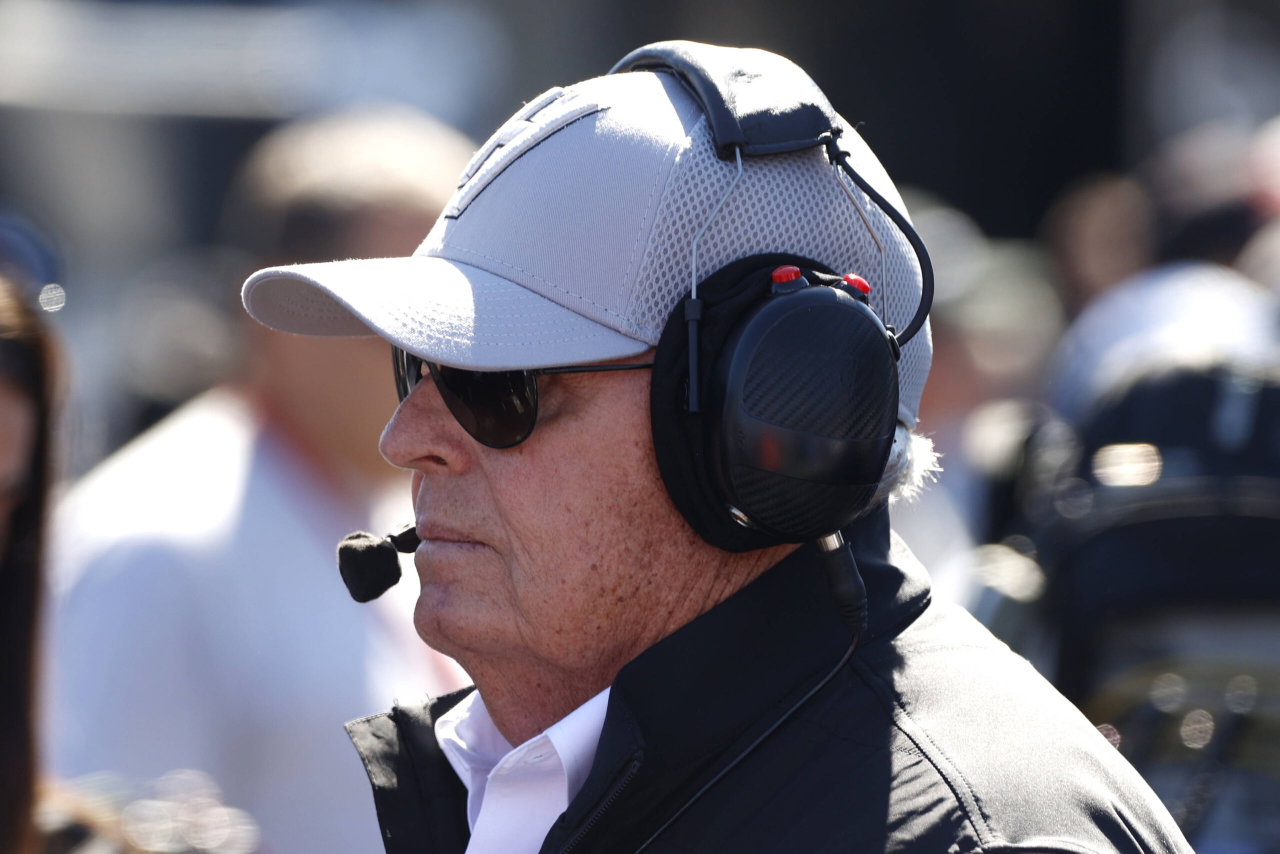
Rick Hendrick has signed plenty of drivers over his 42 years in NASCAR. But signing Connor Zilisch has left him with an unusual problem. He knows exactly where he wants the 20-year-old to be, yet he cannot bring him onto his team just yet. Zilisch still has a job to finish at Trackhouse Racing, and his rookie Cup season has hardly gone to plan. Hendrick wants to help, but stepping in too far could cause trouble.
Watch What’s Trending Now!
” I just try to encourage him, but it’s a fine line between getting involved with another team and trying to just reassure him, just take the pressure off, and do your job the best you can,” Hendrick admitted on SiriusXM NASCAR Radio. “It’s tough waiting a year.”
The Hendrick Motorsports owner was discussing Zilisch’s development with vice chairman Jeff Gordon. It was not simply a case of wanting a new driver and having to wait for his arrival. Hendrick was talking about the difficult balance between encouraging a young racer and respecting the team responsible for him right now.
Zilisch will drive the No. 48 Ally Chevrolet beginning in 2028, replacing Alex Bowman, who plans to retire from full-time competition after the 2027 season. The agreement gives Hendrick Motorsports a highly rated prospect for one of NASCAR’s most recognizable cars. It also leaves Zilisch with another full season at Trackhouse before that opportunity arrives.
That timeline matters because Zilisch has already experienced two very different sides of racing. In 2025, he won ten races in the NASCAR Xfinity Series and won the regular-season championship. His first full Cup campaign, however, has been far more difficult. Crashes, inconsistent results and repeated early exits have shown just how much changes when a driver reaches NASCAR’s top level.
Hendrick has every reason to be excited about Zilisch’s future. The harder question is how much he can do to help him reach it.
Jeff Gordon knows that the answer is not to pull Zilisch away from the people who gave him his first Cup opportunity. Trackhouse owner Justin Marks signed the driver to a development deal in January 2024, when the driver was just 17. The organization helped him climb the ranks and put him in the No. 88 Chevrolet for his Cup debut. Gordon acknowledged that responsibility when he explained what Hendrick expects from the young driver.
“And I think, you know, for him, he’s got to still stay in that situation he’s in and be a team player and try to cultivate everything he can to get success, working with Justin and their leadership.”
There is a practical reason behind that message. Trackhouse still has to build a competitive car for Zilisch, and its engineers and crew must continue working with him through 2027. If his attention shifts too far toward Hendrick, the team loses some of the focus it needs from its own driver.
Marks has been gracious about the move. When Hendrick announced the agreement in August, Marks called it bittersweet. Trackhouse had hoped to keep Zilisch for the long term, but Marks also recognized the opportunity he had earned. He made clear that Trackhouse still intended to make the most of their remaining time together.
Hendrick understands what Marks has invested in the driver. He said the organizations were upfront with each other about the decision, and he praised Marks for how he handled it.
“Jeff has already spent time with Justin, and I give Justin a lot of credit. He’s a gentleman about this whole deal. We were up front with him. They’re key partners. We needed to look somewhere else, and we wanted him.”
That relationship is not limited to Zilisch. Hendrick and Trackhouse compete against each other on Sundays, but they also operate within the same Chevrolet racing network. Their teams have reasons to cooperate outside the track, even while competing for wins on it. Mishandling a driver agreement could damage that relationship.
Gordon said Hendrick wanted Zilisch to arrive with confidence in what he could do. The team, he added, had its own responsibility to create an environment where the driver could thrive. But that preparation cannot replace the work Zilisch still needs to do at Trackhouse.
There is real difficulty behind Hendrick’s wait. Zilisch is already part of his plans, but he must earn his next step by improving in the car he drives today. Hendrick cannot take away the pressure of a difficult rookie season, nor should he try to run Trackhouse’s development program from the outside.
The No. 48 will eventually be Zilisch’s responsibility. Until then, the most useful thing Rick Hendrick can do may be to let him finish the job he started with Marks.