
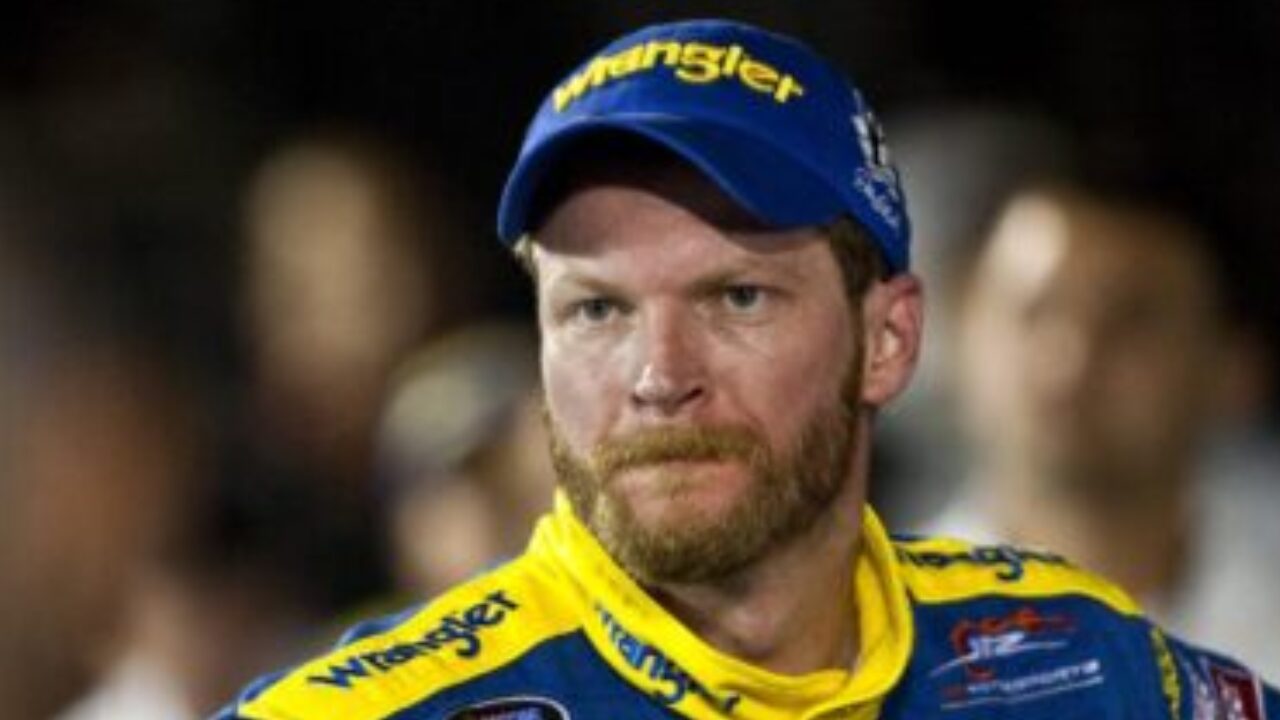
Dale Earnhardt Jr. saw the problem with Phoenix Raceway’s redesigned dogleg before drivers made it a regular part of their racing strategy. When the track was reconfigured in 2011, he questioned the decision to pave and bank the section. He warned that drivers would have little reason to follow the full racing line.
Watch What’s Trending Now!
Years later, they are still cutting across the apron, and NASCAR is finally looking at changes ahead of the 2027 season. For Earnhardt, it is a frustrating reminder of a mistake he believes could have been avoided.
“The idea to take the back straightaway, which is now the front straightaway, and bank it, it just infuriates me,” he said on his Dale Jr. Download podcast.
“I just wish a lot of these tracks knew enough to leave well enough alone and not think that they’ve got to go take something that’s working and it’s got a long tradition or history or has, you know, and change it to something completely different. And so here we are. Cars have been cutting that front straightaway.”
Dale Jr. has never warmed to Phoenix Raceway’s redesigned layout, and his latest comments make that clear. He believes the changes took a track with an established identity and created a shortcut that drivers now use routinely. What frustrates him most is not simply that competitors cut across the dogleg.
It is that NASCAR has allowed the practice to become part of the racing, despite the awkward transitions and potential risks involved. And the roots of the problem go back to 2011, when Phoenix was repaved and reconfigured.
The 2011 redesign widened the frontstretch from 52 to 62 feet, widened the dogleg, tightened its turn radius, and introduced variable banking. The grass bordering the infield apron was also replaced with asphalt, giving drivers a shortcut across the dogleg instead of forcing them to follow its full curve.
A second major renovation, announced in 2017 and completed in 2018, saw Phoenix Raceway move its start-finish line to what had been Turn 2, near the dogleg, as part of a $178 million modernization project. The changes also added grandstands and improved spectator views, particularly during restarts. However, the renovation left the paved apron intact, allowing drivers to continue cutting across the dogleg.
Dale Jr. has been calling out that consequence for years. In August 2025, he responded to a fan asking about track limits by writing, “We don’t seem to care about cutting the apron at Phoenix. This has been what it is for a few years now. Shoulda never paved it. Coulda paved Bristol with all that asphalt.”
The NASCAR Hall of Famer’s sarcastic Bristol reference captured how strongly he felt about the decision to pave an area that once discouraged drivers from taking the shortcut. This year’s Cup race offered another reminder of why the dogleg attracts attention.
Restarts can send the field sweeping across the apron in multiple lanes before drivers funnel back toward Turn 1. During the March race, Joey Logano made contact with Ross Chastain as the field charged through the dogleg, triggering a multi-car crash that also collected Anthony Alfredo and Austin Cindric. The crash was not proof that the dogleg alone caused the wreck, but it illustrated how chaotic those restarts can become.
For Dale Jr., the issue goes beyond how the move looks on television. He believes the transition itself creates an unpleasant experience for drivers and could contribute to the strain placed on their cars.
“The transition across onto the apron and back up on the racetrack is difficult for the drivers inside the car,” he explained. “It’s uncomfortable. It rattles you. Your head’s banging around in that headrest. I know the drivers probably don’t love having to do it.”
The concern extends beyond driver discomfort. During several races, including events this year, teams dealt with tire failures, and crew chiefs discussed how aggressive setups and cutting across the dogleg on cold tires could increase tire load.
For years, NASCAR showed little interest in restricting how much of the apron drivers could use. Dale Jr. eventually accepted that the configuration was unlikely to change, even as he continued to criticize it. Now, however, that may be about to change.
On October 21, NASCAR Cup Series Senior Managing Director Brad Moran discussed plans to improve the transition onto Phoenix’s dogleg apron ahead of the 2027 season. While the announcement suggests that changes are coming, NASCAR has yet to confirm exactly what the modifications will involve.
Moran’s comments suggest that NASCAR wants to make the dogleg transition smoother rather than eliminate the shortcut. He said the hard impacts cars experience when crossing the apron need to be addressed. However, NASCAR has yet to reveal exactly what changes it plans to make ahead of the 2027 season.
Whether that adjustment addresses Dale Jr.’s broader complaint remains to be seen. He wanted the original racing surface respected rather than turned into an optional route. NASCAR’s planned work could make the transition less punishing, but it does not necessarily mean drivers will be required to follow the full dogleg. For a former driver who warned about the consequences years ago, that distinction matters.