
There are some fans, players, and former umpires who keep saying that ABS is not good for the game. But now and then, there comes an instance that will prove why we need ABS in MLB. And one such instance came when the Detroit Tigers faced the Atlanta Braves, which left the broadcaster speechless.
Watch What’s Trending Now!
During the game, Braves pitcher Bryce Elder threw a pitch right down the middle of the plate. It wasn’t tricky, it wasn’t on the edge; everyone could see, it was a perfect strike. Somehow, the home plate umpire, Roberto Ortiz, completely missed it and called it a ball. The Braves catcher, Drake Baldwin, immediately tapped his helmet for a challenge. It showed the same thing: a strike down the middle, the call got overturned, and it eventually led to a strikeout.
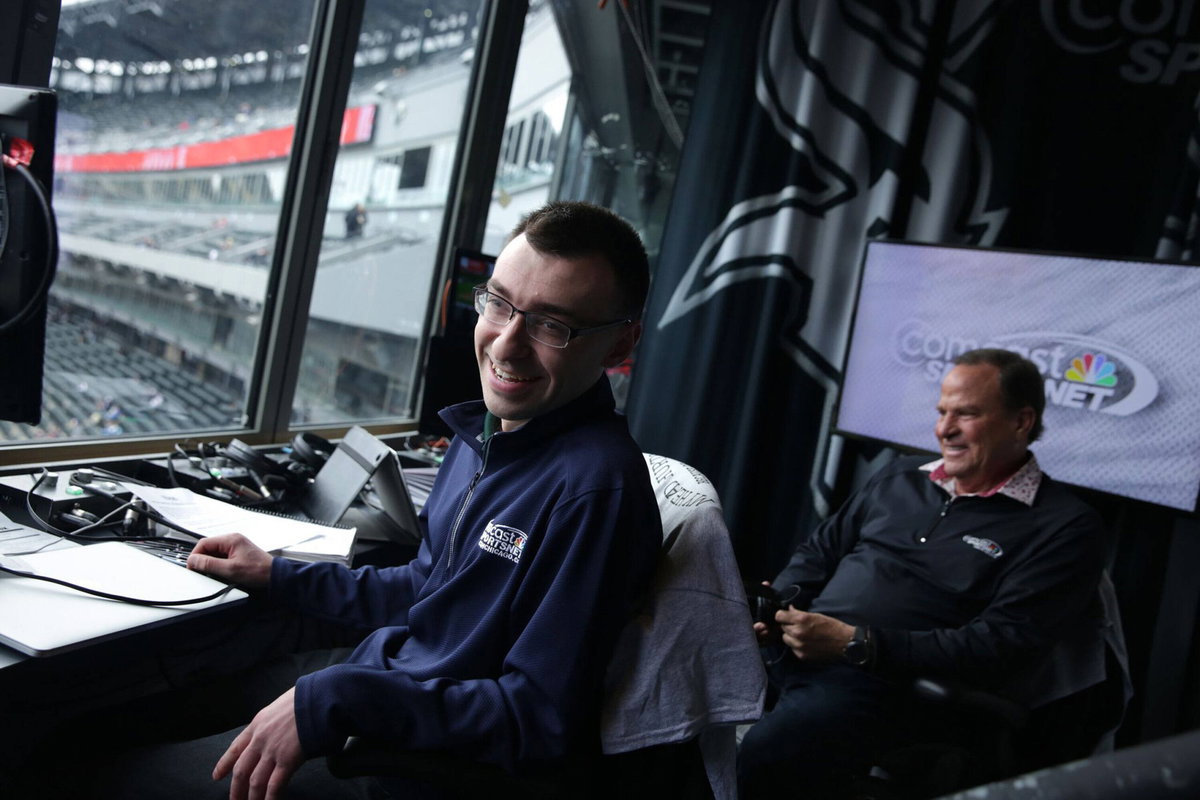
Tigers announcer Jason Benetti was left stunned by the call. “It is….. Yikes,” Benetti said after watching the replay. “It is the reason for the challenge system.”
His reaction shows how most of the fans would have reacted to this. Such calls bring more criticism from fans because a pitch down the middle at this level should not be difficult to call. These are the instances that make the case for ABS staying in MLB stronger. And this overturned call had almost an immediate impact on the game.
The overturned call immediately changed the at-bat, leading to a strikeout for the hitter instead of giving him another chance. And looking at how the game went for Matt Vierling with 3 hits in 5 at-bats, the Braves will be happy that it went in their favor.
But this isn’t the first time Ortiz has had a bad game behind the plate.
There are reports of a game between the Royals and the Pirates in 2024, Ortiz missed 30 calls and ended the night with an 82.5% accuracy. In September 2025, Ortiz went viral for all the wrong reasons after missing an astounding 25 calls during a pivotal Brewers-Padres game. And this shows in his stats as well. Ortiz in 2026 has an accuracy of around 92.8% while the league average is between 93 and 94 percent. Ortiz also has -5 correct calls above expectation, showing that he has not had a good start to the season behind the plate.
But let’s be real, umpires are humans, and we have to cut them some slack. But when a pitch is right down the middle and the umpire completely misses it, it is impossible to defend.
The ABS has been exposing a lot of umpires in MLB
This incident with Roberto Ortiz wasn’t just a one-off this season for the umpires. Because the ABS has been exposing a lot of umpires to the world.
Each team gets only two challenges per game, and they keep them if the challenge is successful. So far, the players are proving umpires wrong at a good rate. While umpires average about 93.5% overall accuracy, recent data shows that more than half of all challenged pitches are being overturned.
That gap shows why fans see ABS as a way to correct mistakes that wouldn’t have happened before. And for fans, most of it is up to accountability. Before ABS, when the umpires missed calls, they rarely took any accountability, but that has changed now. Now, a challenge shows pitch location, forcing the umpires to change their call in front of the whole world.
The umpires actually agreed to the ABS system in their latest contract. This makes their current complaints hard to defend. For years, fans demanded this change after watching bad calls ruin countless close games.
The transparency has not been good for some veteran umpires, with the rate of overturned calls being a bit too high. CB Bucknor had six overturned calls in a single game, proving that ABS was the way forward. Ron Kulpa, one of the most veteran umpires, shows a 78.6% overturn rate. These numbers come from small samples, yet still reveal patterns that cannot be ignored.
Despite criticism, players like Chris Bassitt stress how small these misses actually are in real time. Bassitt says that pitches usually miss the zone by 0.2 inches, and when the ball is at 96 mph with sharp movement, it is difficult to call.
But when the wrong calls are repeated and affect the outcome of the game, the fans are not going to be happy.