Imago
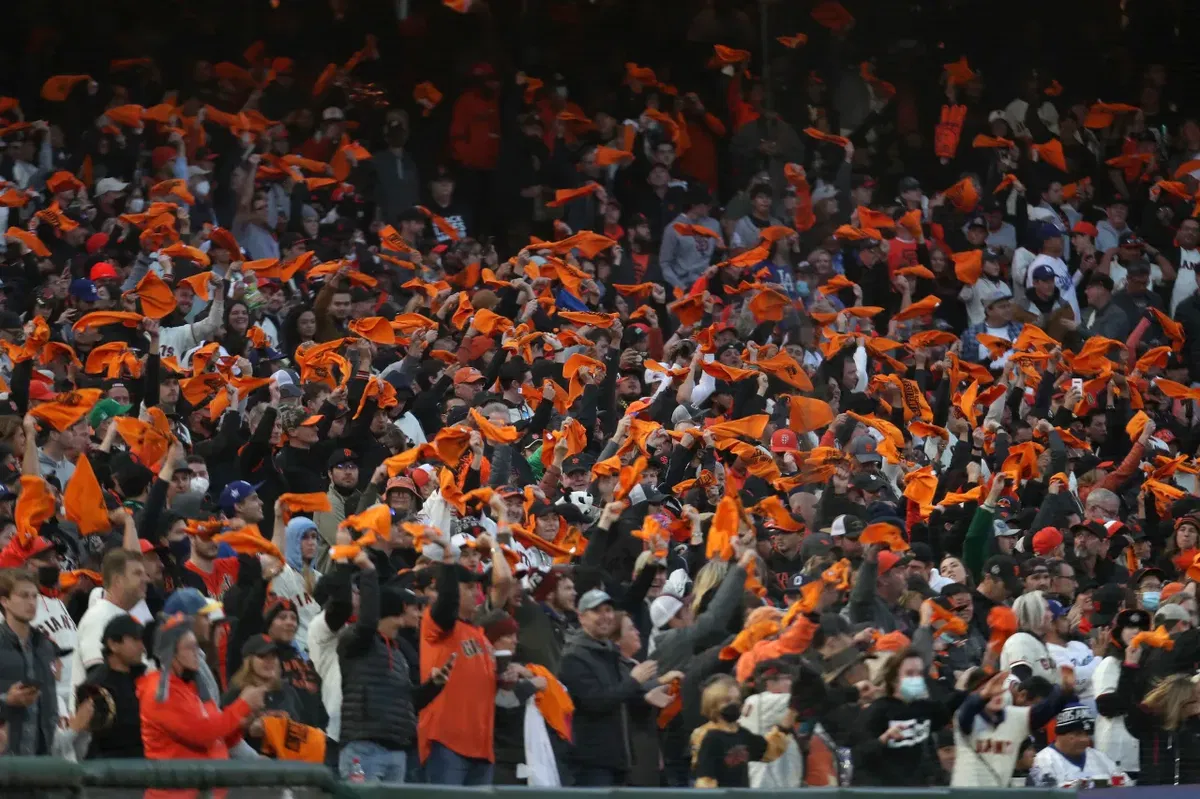
Fans cheer before Game 1 of a baseball National League Division Series between the San Francisco Giants and the Los Angeles Dodgers Friday, Oct. 8, 2021, in San Francisco. (AP Photo/Jed Jacobsohn) ( (AP Photo/Jed Jacobsohn))
Imago
Fans cheer before Game 1 of a baseball National League Division Series between the San Francisco Giants and the Los Angeles Dodgers Friday, Oct. 8, 2021, in San Francisco. (AP Photo/Jed Jacobsohn) ( (AP Photo/Jed Jacobsohn))
MLB literally has everything in it. We have players like Emmanuel Clase throwing away games, and players like Jurickson Profar who are ready to take PEDs to improve their game. The only thing left out was MLB teams cheating their fans for money.


Front Office Sports reported that “The San Francisco Giants are being sued.” They continued by saying, “for allegedly charging hidden ‘junk fees’ that illegally inflated ticket costs.”
Watch What’s Trending Now!
The San Francisco Giants faced a lawsuit as the third MLB team over hidden “junk fees” that inflated ticket costs without clear upfront disclosure.
The proposed class action was filed in California federal court on January 28, 2026, alleging that the Giants “systematically cheated fans out of millions of dollars” by falsely advertising prices and charging deceptive fees before checkout. Lead plaintiff Juan Flores says his two tickets advertised at $10 each ended up costing $29 total.
According to the complaint, the team deceived hundreds of thousands of fans before they stopped these charges in July 2024. The lawsuit demands that the Giants refund the unlawfully charged junk fees to affected ticket buyers.
Similarly, the Boston Red Sox are going through the same with allegations of deception that boosted ticket prices beyond advertised amounts.
Filed in Massachusetts federal court earlier in January 2026, plaintiffs say the Sox used drip pricing and junk fees illegally under Massachusetts consumer protection law. The lawsuit states mandatory “Per‑Ticket Fees” and “Order Fees” sometimes raised costs by as much as 150 percent over what fans first saw.
MLB fans allege that the company misled them because it did not show the true total until late in checkout. Plaintiffs are seeking damages, prejudgment interest, and reasonable attorneys’ fees and costs.
The third sued team?
The San Francisco Giants are being sued for allegedly charging hidden “junk fees” that illegally inflated ticket costs and weren’t disclosed until checkout.
Three MLB teams are now battling lawsuits over similar allegations, the others being the Red Sox and Nationals.
— Front Office Sports (@FOS) January 30, 2026
A group has sued the Washington Nationals, as well, in Washington, D.C., federal court for similar hidden fee practices that violated the District’s Consumer Protection Procedures Act.
Filed on September 5, 2025, the complaint says tickets advertised at $9 were actually $11.25 after undisclosed processing fees, about a 25 percent increase. The suit claims the Nationals’ drip pricing misled consumers by hiding the true costs until purchase completion.
It further states that the team stopped these fees in July 2024 but has not refunded fans. Plaintiffs seek damages under D.C. law for truthful pricing disclosures.
Across all three cases, MLB fans argue they were repeatedly charged additional mandatory fees not included in advertised prices. This created widespread confusion and unexpected costs. These lawsuits span multiple years, from at least May 2022 through July 2024, and cover online and app ticket sales that failed to disclose total prices.
Plaintiffs in all suits seek refunds, damages, and legal costs to correct these alleged pricing practices. Together, these claims highlight growing legal pressure on MLB teams over ticket pricing transparency.
MLB teams also have another major face-off in the queue, with a lockout looming
MLB is juggling more than games this offseason. With the Giants, Red Sox, and Nationals under legal fire, a lockout looms. With negotiations stalled, the shadow of stalled seasons grows, and team leadership faces pressure to settle both contracts and lawsuits simultaneously.
The projections indicate that the Los Angeles Dodgers will have roughly a $412 million luxury tax payroll in 2026.
Only three other teams, the Mets, the Phillies, and the Blue Jays, are expected to top $300 million, a stark contrast to many clubs below $200 million. That gap between the highest and lowest payrolls has reignited debate about baseball’s competitive balance among owners and executives.
Several owners, especially Rockies owner Dick Monfort, are pushing hard for a salary cap and a salary floor to curb spending disparity before the next collective bargaining agreement.
Reports say owners are “raging” after the Dodgers signed Kyle Tucker to a four‑year, $240 million deal, led by a $60 million AAV. Monfort has publicly said that only a cap and floor will fix the competitive imbalance in baseball’s economics.
The players and smaller owners argue that controlling payroll could harm their teams and franchise value, deepening the divide.
The MLBPA has repeatedly rejected a hard salary cap. They say it would reduce players’ share of revenue and limit earning opportunities.
With the current labor agreement expiring on Dec. 1, 2026, the risk of a lockout is rising if owners and players cannot agree on economic terms. Possible solutions under discussion include better revenue sharing, fairer TV and streaming money distribution, and a salary floor without a strict cap.
These reforms aim to address the imbalance without stopping games or losing part of a season to a work stoppage.
Written by

Edited by

Ahana Chatterjee