
Imago
Image: MLB.com
Imago
Image: MLB.com
In sports media, timing is everything—except when it isn’t, and everyone’s just winging it. MLB and ESPN, once a dependable double play, now find themselves staring across the diamond with cautious optimism. The bruises from their $550 million split haven’t fully faded, but opportunity has a way of rewriting scorecards. And right now, both sides know the game isn’t over until the last out.
Watch What’s Trending Now!
Some relationships are just “meant to be,” because even after a messy breakup, they usually end up getting back together and living a happy life. The relationship between ESPN and MLB might not have ended on the right terms, but it looks like they are back on talking terms and getting ready to hold hands again.
Jimmy Pitaro, the chairman of ESPN, has just given information that might be a big break about the deal. In a recent interview with The Press Box, he said, “We elected to opt out. But at the time, I made it very clear to Commissioner [Rob] Manfred that we love the game of baseball and we wanted to figure something out… yes, we absolutely want to figure something out with baseball. And we remain in conversations with them.”
Top Stories





The split between ESPN and MLB erupted into a public, surprisingly acrimonious rights divorce. ESPN opted out of a deal reportedly worth $550 million per season, shocking many observers. MLB publicly rebuked ESPN for scaled-back coverage, while internal dynamics complicated negotiations behind closed doors. The messy unravelling exposed divergent strategies about reach, revenue, and the future of sports distribution.
Weeks later, regret crept in as Commissioner Rob Manfred admitted he’d prefer different circumstances. MLB acknowledged it might earn less than ESPN’s previous payments while seeking a broader future reach. Meanwhile, ESPN executives voiced continued interest in baseball, albeit seeking more flexible, cost-effective terms. Both sides seemed to miss the stability of their old arrangement amid shifting market realities.
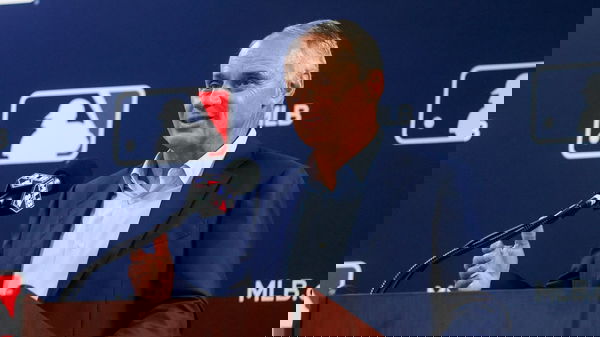
Imago
May 2, 2025, Florida, USA: MLB, Baseball Herren, USA Commissioner Rob Manfred speaks with members of the media during the annual MLB Media Day at George M. Steinbrenner Field in Tampa on Thursday, Feb. 15, 2024. USA – ZUMAs70_ 0816017662st Copyright: xTampaxBayxTimesx
A redesigned deal could give MLB diversified revenue and broader distribution across new platforms. For ESPN, smaller national packages free capital and allow focus on streaming and regional rights. Fans could gain from multiple outlets carrying different games, increasing accessibility and platform innovation. Yet their mutual upside depends on smart packaging and persuading new bidders to pay fairly.
However, formidable rivals like Apple, NBC, Amazon, and Netflix are actively circling premium MLB inventory. The league’s plan to split packages increases buyer competition but could reduce per-package values significantly. Even with ESPN’s legacy, securing exclusivity will require deeper pockets and more creative bids. So ESPN’s path back is plausible yet narrow, crowded by rivals reshaping baseball broadcasting. If ESPN truly wants baseball back in Bristol, it may have to swing harder than it ever did on Sunday nights.
MLB likes to spend money and will make sure that others do too
Major League Baseball has never been shy about opening the wallet, especially when it’s someone else’s. And while ESPN and MLB are still locked in negotiations over their own high-dollar partnership, the league is busy reminding its clubs that financial frugality isn’t a championship strategy. After all, if the broadcast checks keep clearing, shouldn’t the owners be just as generous with their spending?
The Pittsburgh Pirates’ struggles go far beyond bad luck, poor drafts, or questionable trades. Their biggest obstacle is owner Bob Nutting’s persistent reluctance to invest in the roster, despite receiving revenue-sharing funds. MLB has taken notice, with Commissioner Manfred sending Morgan Sword to Pittsburgh in 2023. That meeting delivered a clear warning, but it appears Nutting simply filed it under “junk mail.”
The league’s concern isn’t purely about one team; it’s about the product as a whole. When teams chronically underspend, they weaken competition, reduce fan engagement, and diminish television value. That’s a dangerous cocktail for MLB, especially while negotiating lucrative media deals with ESPN. A consistently noncompetitive team drags down the league’s image, no matter how big the broadcast checks get.
In 2023, MLB tried to address the problem by confronting Nutting about his payroll practices. Despite this, the Pirates’ 2024 payroll ranked 29th, and 2025’s sits only slightly higher. MLB has implemented penalties for extreme low spending, but enforcement remains toothless without real consequences. If the league doesn’t act soon, chronic frugality could poison its competitive balance and long-term market appeal.
Written by

Edited by

Pratyusha Srivastava