
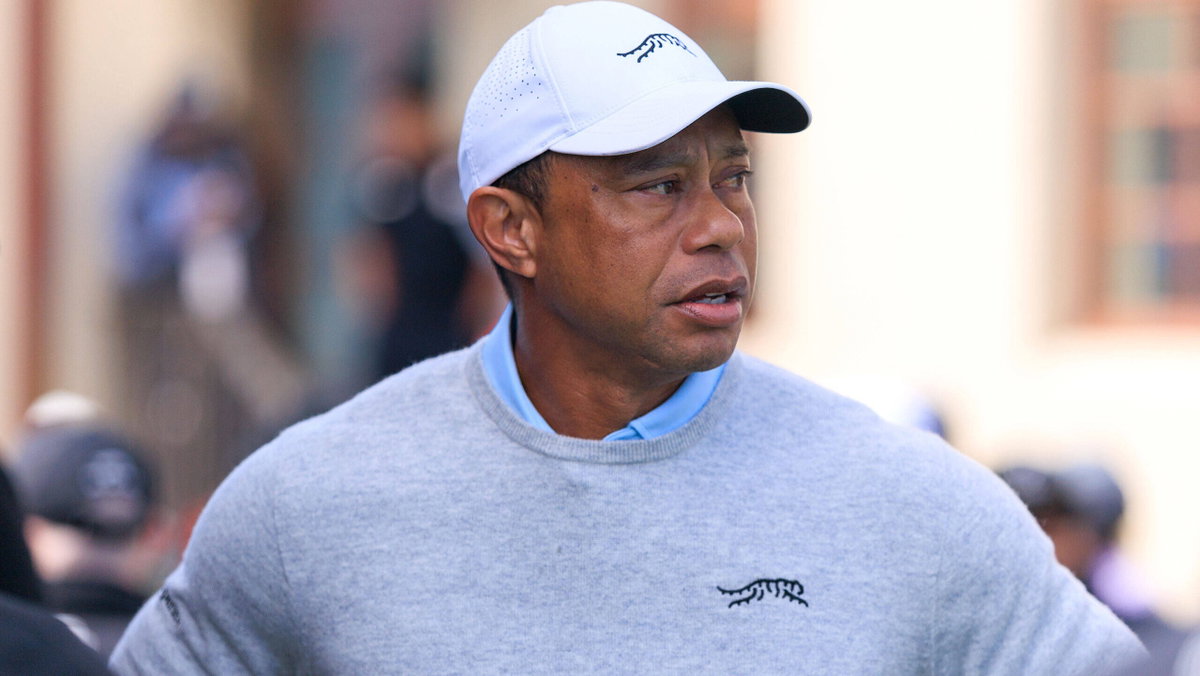
Tiger Woods has been here before. In 2017, a Florida arrest led to a DUI charge that was reduced to reckless driving, along with a diversion program and a quiet struggle with painkillers. Now, nine years later, he faces a similar legal process–but this time, his attorney is pushing back against a key prosecution demand.
Watch What’s Trending Now!
Douglas Duncan has officially objected to a Florida prosecutor’s request for Woods’ prescription medication records from January 1, 2026, onward, arguing that his client has a constitutional right to privacy.
Prosecutors filed a notice on April 7 to subpoena all of Woods’ prescription records from Lewis Pharmacy in Palm Beach. The defense objected. If the court does not step in, the state will automatically issue the subpoena on April 22.
The filing makes clear what prosecutors want: prescription type, pill count, dosage, fill dates, and every warning label, especially those about driving. With no urine test available, the prescription records are the closest alternative to chemical evidence.

The battle over Tiger Woods prescription medication records has begun in Florida after the golf legend's attorney objected to a state subpoena notice. usatoday.com/story/sports/g…
Woods’ case is based on circumstantial evidence from the March 27 crash, as he declined a urine test at the Martin County Jail. While a breathalyzer showed 0.000, deputies noted his bloodshot eyes and slow movement. Upon further inspection, a drug-recognition expert determined Woods to be impaired at the scene. Sheriff John Budensiek later addressed this conclusion publicly.
“We will never get definitive results as to what he was impaired on at the time of the crash.”
Woods pleaded not guilty in court. He kept Douglas Duncan as his attorney, the same lawyer from 2017, and asked for a jury trial. Duncan filed a response, arguing Woods has a constitutional right to keep his medical records private unless the state can prove to a judge that they are relevant. He also asked the court to keep any released records out of public view.
Attorney Ted Hollander raised the evidentiary gap in the case, saying:
“There could be admissions, there could have been something found in the vehicle, but if there’s no admissions and nothing found in the vehicle and no urine test, they’re going to have a difficult time proving the DUI charge.”
Woods will return to court on May 5. The case could take 6 to 9 months to reach a final decision. This subpoena battle is not new. It is part of a pattern that began in 2009 and includes four separate incidents.
Tiger Woods’ driving history casts a long shadow over the 2026 case
The 2017 case offers the closest parallel, beginning when Jupiter police found Woods asleep at the wheel with a toxicology report that showed five substances—including hydrocodone and Xanax—in his system. That incident resulted in a guilty plea for reckless driving and treatment for painkiller dependency, establishing a public history that looms over the current proceedings, even if it’s not admissible in court.
The 2021 Los Angeles crash is a different story. Woods drove his Genesis SUV straight through a curve, covering about 400 feet without steering or braking, crossing a median and oncoming lanes before hitting a tree and rolling over.
Following the crash, Woods claimed to have no memory of driving, and despite police finding an unmarked pharmaceutical bottle, the Sheriff’s Department controversially deemed it a speed-related accident, choosing not to bring in a drug-recognition expert or issue a ticket.
Former detective Jonathan Cherney, who visited the scene, told USA TODAY Sports:
“It’s easy to conclude that the L.A. Sheriff’s Department was either starstruck and/or there was an attitude of, ‘Well he didn’t really hurt anybody else except himself, so why bother doing anything?’ The problem with that attitude is that nobody gave him any incentive to not do it again.”
Three incidents led to consequences. One did not. The subpoena is the court’s way of closing that gap.