

The Open Championship is the oldest and one of the most prestigious golf tournaments in the world. Winning the famous Claret Jug is a dream for every professional golfer, but the intense pressure of the final round can lead to devastating moments. Over the years, fans have witnessed legendary players come incredibly close to victory, only to watch it slip away on the final few holes. Here are the three most painful heartbreaks in the long history of the tournament.
Watch What’s Trending Now!
Jean Van de Velde’s Final Hole Collapse at Carnoustie (1999)
The 1999 Open Championship at Carnoustie provided what many sports historians consider the biggest meltdown in golf history. French golfer Jean Van de Velde played wonderful golf for nearly the entire week. He arrived at the 18th tee during the final round with a comfortable three-shot lead. He only needed a double-bogey six on the final hole to secure a historic victory and become a national hero.
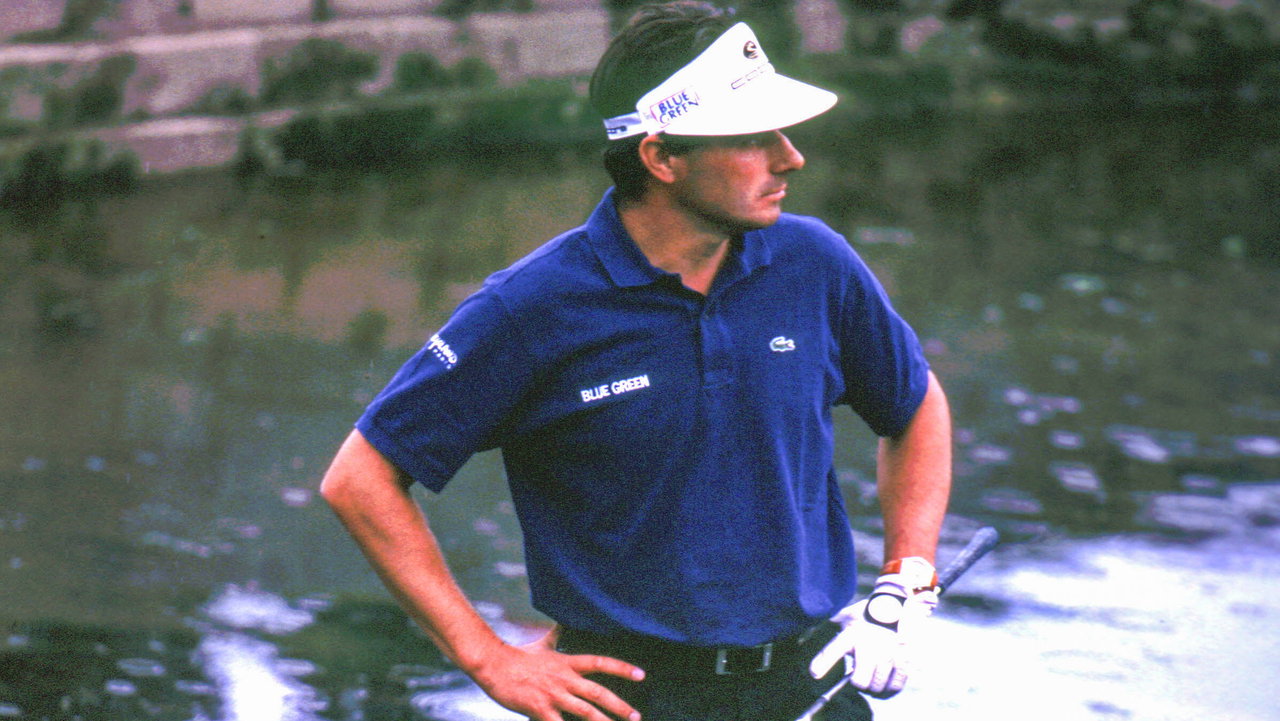
Imago
The 1999 Open Championship JEAN VAN DE VELDE IN BARRY BURN 18TH HOLE FINAL DAY THE OPEN CHAMPIONSHIP 1999 AT CARNOUSTIE Jean Van de Velde in the Barry Burn 18th Hole, Final Day, The Open Championship 1999 A heart-wrenching moment in golf history unfolded on the final day of the 1999 Open Championship at Carnoustie, when Jean Van de Velde found himself in the Barry Burn on the 18th hole, needing only a double bogey to win the Claret Jug. Van de Velde s disastrous decision to play from the water led to a triple bogey, and he ultimately lost in a playoff to Paul Lawrie. Despite the heartbreaking finish, this moment remains one of the most dramatic and memorable in Open Championship history. ON 18TH JULY 1999 Copyright: xMarkxNewcombex
Instead of playing it safe, Van de Velde made a series of risky decisions that went horribly wrong. He chose to use his driver off the tee and hit the ball into the rough. On his next shot, he tried to go for the green, but the ball hit a metal railing on the grandstands and bounced backward into thick grass. His third shot got tangled in the rough and flew straight into the Barry Burn water hazard.
In a moment that fans will never forget, the Frenchman slipped out of his shoes and socks and waded into the cold water, pondering whether to hit his ball out of the stream. He eventually took a penalty drop, but then hit his next shot into a greenside sand bunker. He managed to make a putt for a triple-bogey seven, which plunged him into a three-way playoff. He ultimately lost the playoff to Scotland’s Paul Lawrie, turning a guaranteed victory into an absolute nightmare.
Greg Norman’s Playoff Disaster at Royal Troon (1989)
Greg Norman, famously known as the Great White Shark, was one of the most exciting and dominant golfers of his era. However, he also suffered an unusual amount of bad luck and heartbreak during major championships. The 1989 Open Championship at Royal Troon became another painful chapter in his career after an amazing comeback fell completely apart.
Norman started the final round seven shots behind the leader, but he went on a historic tear by birdieing his first six holes. He shot a spectacular 64 to tie for the lead and enter the first four-hole aggregate playoff in Open history alongside Mark Calcavecchia and Wayne Grady.
Norman started the playoff fast by making birdies on the first two holes to take the lead. However, a bogey on the 17th hole dropped him back into a tie with Calcavecchia. On the final playoff hole, Norman crushed a massive tee shot, but it traveled too far and landed in a fairway bunker that he thought was out of reach. Trying to recover, he hit his ball from one sand trap into another greenside bunker. His third shot sailed completely out of bounds over the green, and he never even finished the hole. Calcavecchia won the Claret Jug, leaving Norman with another deeply painful major loss.
Adam Scott’s Late Meltdown at Royal Lytham & St. Annes (2012)
Australian golfer Adam Scott possessed one of the smoothest swings in the game, and he looked completely unstoppable for most of the 2012 Open Championship. He played beautiful golf over the first three days and held a commanding four-shot lead heading into the final round. With just four holes left to play on Sunday, he still maintained that comfortable four-stroke cushion and looked destined to lift the trophy.
What followed was a shocking and slow-motion collapse that stunned the gallery. The course conditions grew tough, and Scott suddenly lost his rhythm. He missed a short putt to bogey the 15th hole and dropped another shot on the 16th after a difficult three-putt. On the 17th hole, he hit a poor approach shot straight into the deep rough, leading to a third straight bogey.
By the time he reached the 18th tee, he was tied for the lead with Ernie Els, who had already finished his round. Seeking a par to force a playoff, Scott hit a poor drive into a deep fairway pot bunker and could only chip the ball out sideways. He missed a 10-foot par putt, finishing his round with four straight bogeys to lose the tournament by a single shot. While he bounced back to win the Masters less than a year later, his collapse at Royal Lytham remains one of the most sudden heartbreaks in golf history.
The Open Championship is a beautiful tournament, but it can be incredibly cruel to the players who lead it. These three legendary collapses show that no lead is truly safe until the final putt drops on the 18th green. For Jean Van de Velde, Greg Norman, and Adam Scott, the memory of these near-misses will always be linked to their professional careers, proving how hard it is to close out a victory in a major sporting event.