Imago
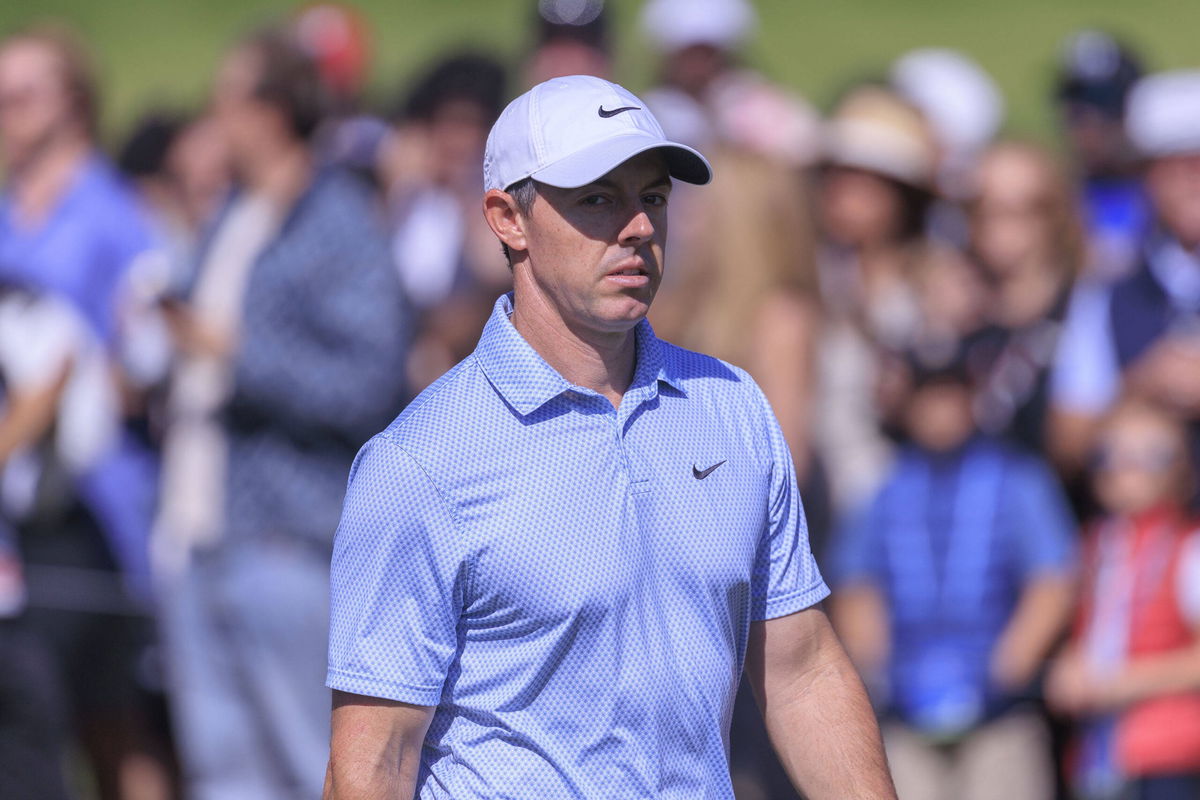
February 22, 2026, Pacific Palisades, California, USA: Rory McIlroy during Round 4 of the 2026 Genesis Invitational Golf Tournament on Sunday February 22, 2026 at the Riviera Country Club in Pacific Palisades, California. ARIANA RUIZ/PI Pacific Palisades USA – ZUMAp124 20260222_zaa_p124_044 Copyright: xArianaxRuizx
Imago
February 22, 2026, Pacific Palisades, California, USA: Rory McIlroy during Round 4 of the 2026 Genesis Invitational Golf Tournament on Sunday February 22, 2026 at the Riviera Country Club in Pacific Palisades, California. ARIANA RUIZ/PI Pacific Palisades USA – ZUMAp124 20260222_zaa_p124_044 Copyright: xArianaxRuizx
At 18, he sat alone in a hotel room in Jeju Island, South Korea, newly professional and far from home. He could not have known that his career would lead to a green jacket and a Grand Slam.


Rory McIlroy was asked, in a recent Fried Egg Golf interview ahead of the 2026 Genesis Invitational, what he would tell that boy now. His answer came down to seven words.
Watch What’s Trending Now!
“I would say just take the long view. Take the long view of it.”
At 36, with five majors and seven Race to Dubai titles behind him, McIlroy says he spent his early career living and dying by every round, treating each outcome as though the consequences were permanent. The weight of that approach, the moment-to-moment pressure of a teenager trying to justify a decision he couldn’t undo, is something he has spent years learning to set down.
Imago
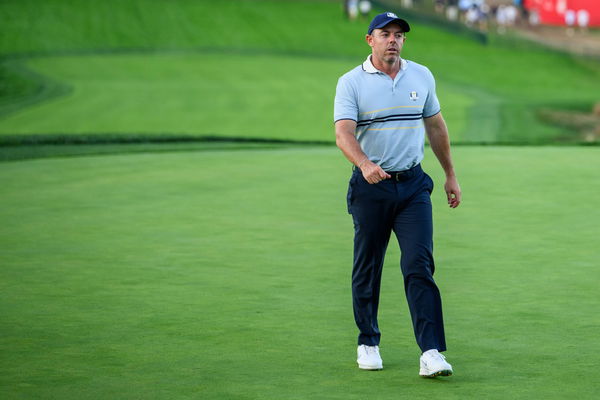
250926 Rory McIlroy of Team Europe looks dejected after a fourball match on day 1 of the Ryder Cup on September 26, 2025 in New York. Photo: Jesper Zerman / BILDBYRAN / kod JZ / JZ0617 golf ryder cup day 1 bbeng depp *** 250926 Rory McIlroy of Team Europe looks dejected after a fourball match on day 1 of the Ryder Cup on September 26, 2025 in New York Photo Jesper Zerman BILDBYRAN kod JZ JZ0617 golf ryder cup day 1 bbeng depp PUBLICATIONxNOTxINxSWExNORxFINxDEN Copyright: JESPERxZERMAN BB250926JZ072
“Not everything is life and death in this certain moment. You can relax a little bit and know that you have time and be okay with failing as long as you’re trying your hardest and just keep going.”
What he credits for that shift is not grit, not the grind narrative that elite sport tends to reach for.
He credits hope and his father’s quiet optimism, noting that he is more like his dad than he once realized. That source matters.
When Paul McGinley flagged that McIlroy’s eyes “weren’t alive” at press conferences in the months after Augusta, he was describing a man whose motivating target had disappeared, not one who had lost his character. The long view requires something to look toward, and McIlroy spent much of 2025 figuring out what that was.
A dinner with Roger Federer helped clarify his thinking.
Federer explained that after breaking Pete Sampras’s Grand Slam record, the next target quickly became 20 titles. McIlroy applied this logic to his own career, quietly setting new goals for himself without making them public.
He now understands that reaching the top does not change daily reality. When Rory McIlroy became world number one in 2012, nothing felt different. He recognized the same feeling in Scottie Scheffler at Portrush, questioning what it all meant.
This understanding, gained through experience, is what separates the teenager in Jeju from the player McIlroy is today.
Rory McIlroy’s exit philosophy and what it means for European golf
McIlroy has made his position clear.
He does not plan to keep playing as a touring professional, has dismissed the idea of joining the Champions Tour, and intends to focus only on the majors for as long as he can.
“I want to see the world. And I don’t want to see the world just through the lens of golf courses and hotels.”
For European golf, McIlroy’s timeline matters.
The tour has relied on his presence for over a decade. He has mentioned Tom McKibben, along with Pádraig Harrington, Darren Clarke, and McGinley, as part of Ireland’s next wave. The upcoming Ryder Cup at home is a chance to set an example for future players.
When the time comes, McIlroy sees himself as a Ryder Cup captain, focused on a team-first approach with no hierarchy.
Off the course, his business interests are growing, and even players like Joel Dahmen have said McIlroy could become golf’s next billionaire. McIlroy himself has admitted that these interests are starting to take up more of his time.
The succession question is real, and McIlroy is not avoiding it.
He is, in fact, answering it in plain language, one interview at a time.
Written by

Edited by

Ahana Chatterjee