
Hunter Mahan’s high schoolers are more interested in watching golf YouTubers goof around than studying the way legends played the game, and Mahan, who has watched golf content evolve from both sides of the camera, still isn’t sure why. Fifteen years ago, he was one of the guys making golf go viral on YouTube himself. In “Oh, Oh, Oh,” The Golf Boys’ 2011 music video, he starred alongside PGA Tour stars, and the video has pulled in 8.8 million views since its release, a number many golf creators would envy. Yet during his appearance on the Fore Play podcast, Mahan did not hold back discussing what his students watch online in regard to the sport.
Watch What’s Trending Now!
Fore Play Podcast host Riggs asked Mahan if the high schoolers he now coaches actually know how good he once was on the tour. His answer suggested he’s the one being schooled these days.
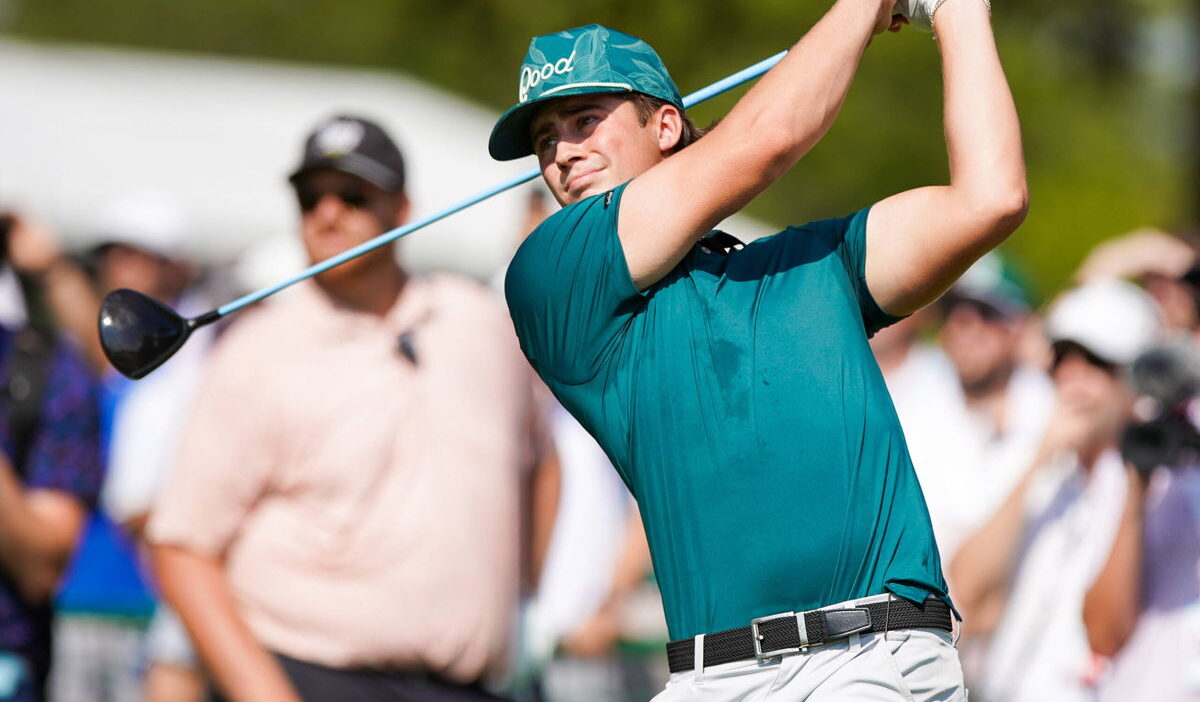
“They’re kind of oblivious to most things. Like, they watch, I mean, what’s so funny? Because they’re the ones who showed me Good Good and Grant Horvat and stuff. Like, they’ll sit and watch that, and I’m like, ‘You’d rather watch, you know, just these not-average golfers, but like, okay, golfers play a round of golf versus watching highlights of Tiger Woods. And that’s who I would watch, right?’ I would watch Tiger Woods, Phil [Mickelson], and David Duval, but they’re watching, you know, Good Good play golf, you know.”
Mahan then explained why he finds that so puzzling.
“And I’m like, why? And they’re like, I don’t know. I just watched them. I’m like, what are we doing, guys? Come on. Let’s set the bar a little higher to watching like incredible shots versus these guys just talking, you know, chunk to each other on the golf course.”
Moreover, Mahan is not the only former PGA Tour player caught off guard by the influencer era. Co-host Kevin Kisner admitted he often has the same reaction when he asks a creator or influencer what they actually do for a living. Their answer, he said, is often something like: “I just film myself playing golf, and people watch it.” To Kisner, it’s still a bizarre reply.
Interestingly, Mahan is speaking from a seat he only sat down in recently. He retired from the PGA Tour in 2021 after 453 career starts, six wins, and three Ryder Cup appearances. He even held a career-high World No. 4 ranking in 2012. However, since 2023, he has taken over as boys’ varsity golf coach at Liberty Christian School in Texas.
He described his move as building a “positive team culture” and helping teenagers who “might have a shot in the 90s” get a little better each week. That vantage point is likely part of why Mahan questions what the young generation is consuming today.
The dig and confusion over the younger generation’s interests isn’t entirely without precedent for Mahan. He’s a player who earned over $30 million on tour, chasing the same shots Tiger Woods, Mickelson, and other iconic players were making. His students, however, have grown up with a very different version of golf content. For them, it extends beyond broadcasts of professional golf. YouTube creators are now just as captivating as PGA Tour stars because the appeal is also about personalities, conversations, and relatability.
Mahan’s skepticism isn’t the whole story, though. He’s helped build a big piece of the culture he’s needling. Ben Crane, Bubba Watson, and Rickie Fowler rounded out the other three Golf Boys, and the group’s second single, 2.Oh, followed in 2013, though it never matched the original’s reach.
Hunter Mahan still credits YouTube for the growing game
For all the shade, Mahan didn’t leave it there. He circled back with a more balanced take on why creators like Good Good or Grant Horvat matter, even if their appeal baffles him personally.
“But that’s good. It’s growing the game. Like we talk about growing the game, you know. I hate that phrase, but actually there’s YouTube golf and that culture of guys playing competitively, and it’s sort of like that. I think it actually is growing the game and actually does sort of some good for sure.”
It’s a telling concession from someone who’s now watching the sport’s next generation up close every day. Kisner said he’s still mind-blown, six months into co-hosting the podcast, by how much content and personality-driven golf has become, and admitted he constantly quizzes other influencers and golfers about what they do and why.
That’s the strange spot Mahan sits in now. He had his own brush with viral golf content back in 2011, even if it was a one-off music video rather than a career, and that’s part of why he can bust his players’ chops about what they watch and still mean it when he says it’s good for the game. Players like Bryson DeChambeau are doing full-time what Mahan and the Golf Boys did as a joke for a few months, just with a bigger audience and a lot more at stake. Mahan isn’t trying to talk his players out of what they watch. He’s just trying to figure out why they watch it.