
Imago
April 28, 2020, Jupiter, Florida, USA: Golf course superintendent Dale Knefely tries out the pin placement and tests the foam noodle wrapped around the flagstick to prevent golfers from putting their hands in the cup at the Abacoa Golf Club in Jupiter, Florida on April 28, 2020. Parks, golf courses, marinas, boat ramps, community pools, and other recreational activities will reopen in Palm Beach County on Wednesday. Jupiter USA – ZUMAp77 20200428zafp77009 Copyright: xGregxLovettx
Imago
April 28, 2020, Jupiter, Florida, USA: Golf course superintendent Dale Knefely tries out the pin placement and tests the foam noodle wrapped around the flagstick to prevent golfers from putting their hands in the cup at the Abacoa Golf Club in Jupiter, Florida on April 28, 2020. Parks, golf courses, marinas, boat ramps, community pools, and other recreational activities will reopen in Palm Beach County on Wednesday. Jupiter USA – ZUMAp77 20200428zafp77009 Copyright: xGregxLovettx
Royal Liverpool Golf Club, which has crowned 13 Open Championship winners—including Brian Harman in 2023 and Rory McIlroy in 2014—became the site of an emergency. And as a result, the course had to be evacuated on Friday.


Royal Liverpool Golf Club in Hoylake came to an abrupt standstill around 12:30 pm on December 12. While doing their regular drainage work, maintenance workers hit something they didn’t expect. There was what looked like an unexploded artillery shell four to five feet underneath the playing field. As per the report, it was probably there since World War II. The police in Merseyside quickly blocked off the area. Bomb disposal professionals hurried to the location, and all the scheduled games were called off.
Watch What’s Trending Now!
Club secretary Simon Newland explained the startling discovery. “We’ve been undertaking some drainage work on the golf course and come across what looks to be like an unexploded artillery shell,” he told the Liverpool Echo. The device was buried remarkably deep—”about four or five foot under the playing surface”—and he speculated it dated back to wartime. “So, we have evacuated the golf course, and we’ve invited the police and bomb squad to have a look at it,” Newland added.
Imago
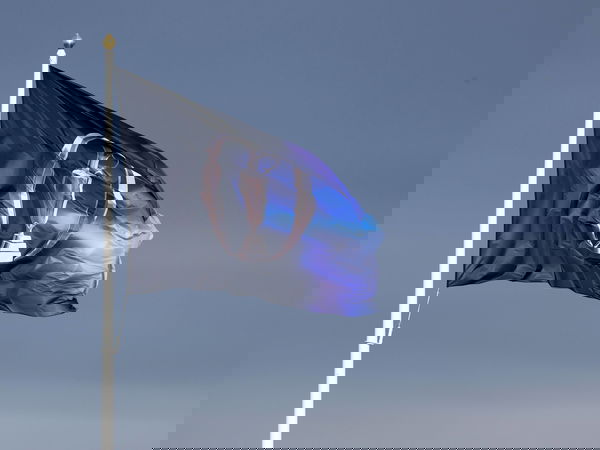
RECORD DATE NOT STATED 17th July 2025 Royal Portrush Golf Club, Portrush, County Antrim, Northern Ireland The Open Golf Championship Round 1 the Open Championship claret jug trophy on a flag above the first tee PUBLICATIONxNOTxINxUK ActionPlus12814399 DavidxBlunsden
In addition, he reassured members that the clubhouse remained open and was at a safe distance from the suspected ordinance. Still, there was uncertainty. “At the moment, we have no clue when we’ll be able to recommence golf. All games are off for now,” he stated.
Merseyside Police issued an official statement confirming their emergency response. “We can confirm that emergency services are at The Royal Liverpool Golf Club in Hoylake following a report that a suspected unexploded artillery shell was found on the course,” a spokesperson said. Officers arrived at approximately 12:30 pm Friday. “The site has been cordoned off whilst emergency services are at the golf course. Members of the public are advised to avoid the area,” the statement continued, thanking the community for patience during the investigation.
Throughout the afternoon, many bomb disposal units and police officers were on duty. By nightfall, they had set off a controlled explosion to disarm the bomb. This made the place where the best golfers in the world have competed for the Claret Jug safe.
Looking at history, it’s not the first time something like that has happened at a golf course.
Historic Troon course halted after UXO discovery
Scotland’s Royal Troon, which hosted The Open in 2024, has also discovered several unexploded ordnance items on its grounds. The parallels between these two incidents highlight a lingering reality for coastal courses built near wartime military zones.
While conducting annual maintenance on the Portland Course at Royal Troon Golf Club, workers found several unexploded wartime ordnance explosives beneath the grass. The discovery triggered immediate safety protocols. The club quickly contacted Police Scotland, who dispatched a Royal Navy Explosive Ordnance Disposal (EOD) crew to assess the situation. They wanted to ensure the safety of staff and the public.
Bomb disposal experts evaluated the ordnance objects found during the ground construction. As per them, the safest course of action was to remove the devices from the golf course and destroy them through a controlled explosion. This standard EOD procedure minimized potential hazards. It also reduced disruption to the club’s operations and surrounding areas.
These discoveries may be uncommon but they reveal how Britain’s military past remains buried beneath even its most prestigious sporting venues. Royal Troon had opened in 1878 and is noted for its championship pedigree. The place sits in an area where military training and exercises during earlier conflicts left unexploded ordnance underground. Decades later, routine maintenance work brings these wartime remnants back to the surface.
The controlled disposal ensured no injuries occurred, and the public faced no wider risk. Authorities confirmed there was no widespread threat following the incident.
Both the Royal Liverpool shell and the Royal Troon ordnance serve as reminders that wartime history can surface unexpectedly. This can occur even on courses where golf’s greatest champions have walked the fairways competing for the Claret Jug.
Written by

Edited by

Snigdhaa Jaiswal