
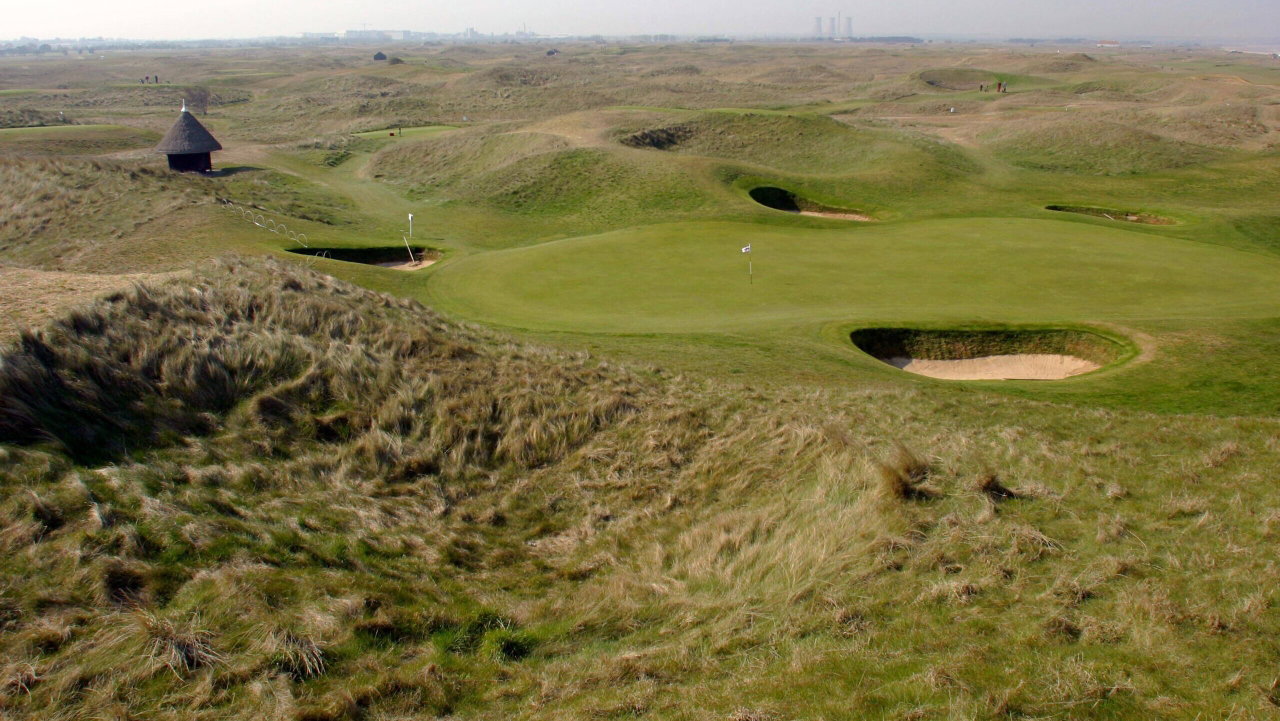
David Green is the MSP for Caithness, Sutherland, and Ross, a region that includes the small village of Embo and the sand dunes beside it, known as Coul Links. For years, a local group called Communities for Coul (C4C) has tried to build a championship golf course on those dunes. Many of the people hoping to see that idea come to fruition are represented by David Green. But on October 21, that long push suffered another heavy blow.
Watch What’s Trending Now!
That blow came as Scottish ministers turned down C4C’s planning application on environmental grounds. Green reacted the same day, saying the decision goes against what local people actually need. His statement, as reported by The Northern Times, opened like this:
“I am bitterly disappointed at this Scottish government’s decision to reject the proposal, as I know many across East Sutherland will be too. It simply runs contrary to the needs of people here.”
He then explained why the loss hurts, pointing to local backing for the plan and to young people leaving a country that’s already losing its population.
“Let’s not forget, the proposal had widespread support in the local community. It would have provided valuable opportunities for young people to stay and work in a country that we know is struggling with depopulation.”
Furthermore, he has also asked ministers to explain how they will replace the long-term habitat funding that has now been lost, calling the budget offered by NatureScot, Scotland’s nature agency, too small.
To see why this rejection, or this case, matters, it helps to note what Coul Links is. Firstly, it sits a few kilometres north of Dornoch, home to the world-famous Royal Dornoch course. Moreover, the land is part of the Loch Fleet Site of Special Scientific Interest and is also protected at the European and international levels. The RSPB describes it as one of the last undeveloped, species-rich dune areas in Scotland.
With that context, C4C wanted to build an 18-hole course there, saying it would create up to 400 jobs and bring in more than £11 million a year. Essentially, the population and the young people need an economic opportunity to survive, and golf links could serve that purpose.
But naturally, the government and officials have their own reservations. Even conservation groups say that the danger goes beyond building the course itself. Once dunes are built over, they can’t simply be grown back, and Coul Links is home to wintering birds, rare butterflies and moths, and a rare lichen.
Opponents also point to Donald Trump’s course in Aberdeenshire, where part of the protected dune lost its status after the development. The National Trust for Scotland, the Scottish Wildlife Trust, and the RSPB have all argued that the same thing could happen to Coul Links.
Minister’s Rejection
For the same reason, Planning Minister Kevin Stewart said the government had agreed with the environmental report, having reviewed the case in detail, and had therefore issued a final rejection.
He said, “Reports have concluded that the harmful impacts of this development on protected habitats and species would outweigh the potential socio-economic benefits.” Stewart further added that the plan also clashes with the Highland Development Plan and the national policy on protecting natural heritage sites.
But the debate is far more than just one-sided. C4C director Gordon Sutherland called the decision to reject the planning application a blow to the area’s economy and its environment. He explained what the group believed it was offering by stating:
“Our plans offered real opportunity to restore and sustainably protect the Coul Links site while also creating lasting economic benefits and new employment opportunities in an area that is being decimated by continuing loss of working-age population.”
He added that C4C does not expect another chance like this to come along.
Coul Links’ Legal Fight
Notably, the story of this back-and-forth goes well before this week. American developers Mike Keiser and Todd Warnock first proposed a course at Coul Links in 2015, with Bill Coore drawing the layout. Highland councillors approved their application in 2018, against the advice of planning officials, but ministers called it in. However, after a long public inquiry, the report recommended refusal in November 2019, with ministers then refusing permission in February 2020.
That seemed the end of the debate. Instead, C4C formed again in 2021 as a community-led group and submitted a fresh application in February 2023. NatureScot objected in May, and planners again recommended refusal. Councillors still voted 8 to 6 in favor in December 2023, and ministers called the case in. However, the inquiry hearings followed in November 2024, and the final decision came out today, almost two years later.
A major question that arises in this dispute is why this site and not somewhere else in Sutherland. Supporters point to its position beside Dornoch. They argue a second top-class course would keep visitors in the area longer, instead of letting them play Dornoch and drive back south.
But for now, Green and C4C have nothing in hand but rejection. And the question is now, what comes next for East Sutherland?