
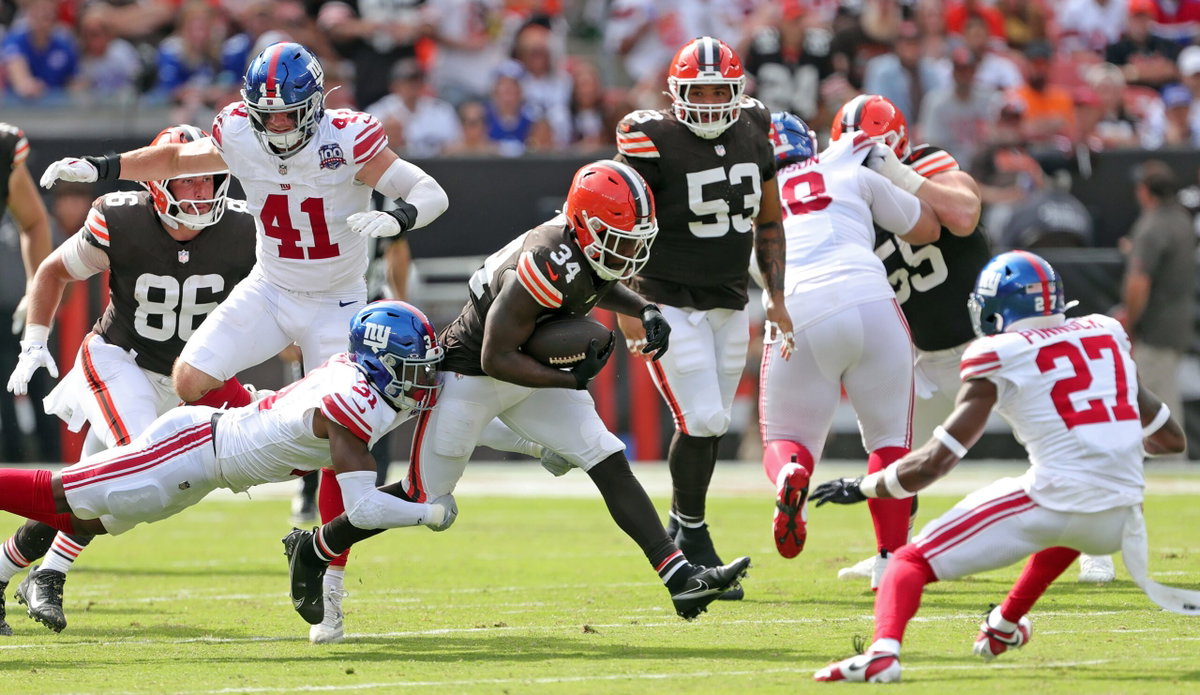
Youth sports in America have changed dramatically over the last few decades. What was once started as a fun community-based activity has now become a massive business. Many families who used to rely on free or low-cost park and local recreation programs now have to spend a lot because of the private pay-to-play system.
Watch What’s Trending Now!
But today that’s not the case. The cost of learning and participation has increased so much. From private coaching to club membership and tournament fees, it’s a massive financial burden on parents who want their kids to pursue sports. As per the Aspen Institute’s Project Play survey, an average US sports family spends $1,016 on their child’s primary sport in 2024, which is a 46% increase since 2019.
As per the US Census, there are 50 million children in the US between the ages of 6 and 17, and about 27.3 million children played organized sports in 2022 and 2023. That’s over 54.6% children who played sports, which is a decrease from the 56.1% in 2019. But what’s interesting is that despite the drop, the expenditure is more than ever. As per reports from the Aspen Institute, US parents still pay more than $40 billion every year for their children’s sports activities.
A few years ago, more public parks and school sports programs, municipal tennis courts, community baseball diamonds, and affordable golf courses were available. But now, learning the sport and becoming a pro in it requires a lot of investment.
It has become more about private programs focused on skill development and profit. Even getting a good coach has become more about affordability than availability these days. Private coaching and training cost so much that, given the demand, no one is willing to do it as a volunteer. But before this, coaches used to volunteer for free and develop players.
One such example of it is Dan Hinterman, a retired engineer from Michigan who has been helping middle school track and cross country athletes develop since 2017. And all for free. The shift started in the 1970s when inflation pushed municipal recreation departments to cut their budgets and get rid of sports programs, as per the author of Take Back the Game: How Money and Mania are Ruining Kids’ Sports and Why it Matters, Linda Flanagan. And that’s when private companies and non-profit organizations started filling in the void, charging more money.
There are many examples of it, like Aly, a former Division I lacrosse player who remembers playing on playgrounds and participating in informal games with her siblings. This way, she was more focused on learning rather than competing.
Then comes the pay-to-play system that created more differences. A CDC study found that 70% of children from families earning more than $105,000 annually played sports in 2020, and 31% didn’t because of poverty.
Despite the shift, parents try their best to give their children a fair chance, but with no guarantee of success. A sociology professor at the University of Wisconsin-Madison revealed that only 6% of high school athletes go on to compete in college, and only some of them get scholarships.
Now, let’s dig into how some sports were before and after inflation.
American football
The first stop is American football. So, from high school to college football to the NFL, a player has to spend a fortune in today’s era. As per recent data from Bain, top American families spend from $3,000 to $8,000 annually, and elite travel programs can cost up to $10,000 per year. So, where does all this money go?
First, you have to start with local community leagues like Pop Warner that might cost $150-$400 per season, then come in club team fees, which include paid coaching staff, performance analysis, and strength and conditioning support, which can cost up to $800 to $2,500 per season. Then, travelling for competition might cost $2,000-$5,000 per season.
If a player chooses to have one-on-one coaching, it might cost them $50-$120 per hour, and for position-specific training calls, it’s another $200-$600. So, if a player trains once per week for most of the year, his total expenditure can go to $2,500 to $4,000 annually.
The recruiting camps, 7-on-7 tournaments, travel, and everything cost them a lot.
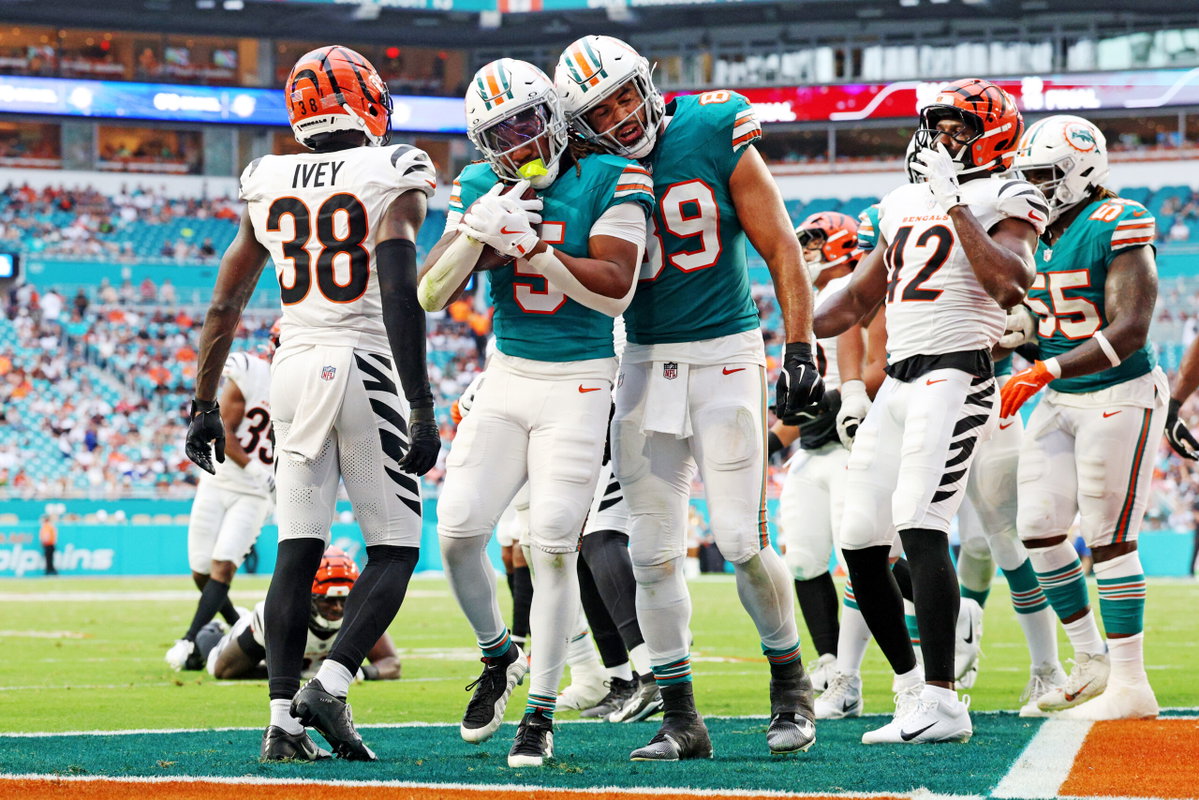
Imago
Dec 21, 2025; Miami Gardens, Florida, USA; Miami Dolphins running back Jaylen Wright (5) celebrates a touchdown during the fourth quarter against the Cincinnati Bengals at Hard Rock Stadium. Mandatory Credit: Nathan Ray Seebeck-Imagn Images
It’s not even certain that, after all these expenses, a player will get a scholarship. If yes, then NIL pretty much returns all the expenses, but not all the money for nothing.
The pipeline to the pros is also equally expensive. After a college player decides to turn pro, he has to find an agent and pay him. Then, participating in the NFL Combine and Pro Day requires training that might cost around $25,000, depending on the type of trainer the player hires.
But before it was just students participating in local games, learning from schools by their coaches, and getting gear from them. It was just seasonal sports rather than a year-round tradition. And now everything has a price tag.
Golf
Golf, too, has become increasingly expensive for many young players. A decent set of golf clubs costs at least $500, while green fees often start at around $50 per round. Private lessons might cost between $80 to $100 per hour. Golf camps also require significant investment, which ranges from $250-$400 for a weeklong day camp, and that price goes up to $1,200 to $2,000 for an overnight camp.
This wasn’t the case before. PGA Tour golfer Harold Varner III tells how affordable playing golf was when he was growing up in North Carolina. As a child, he played at a Municipal golf course outside Charlotte, where golfers under 18 could enjoy unlimited weekday golf for just $100. That helped him develop into a PGA Tour player. But things are not the same anymore.
Turning pro also adds up to the expenses. Golfer Piers Berrington highlighted that mini tour entry fees are approximately $670, and the course guide adds $27 more. With transportation, accommodation, travel, and meals, the costs go to $1,200 per week. And over the course of a season, that expense can cost up to $53,590.
Even players at the highest level at LIV Golf or the PGA Tour face financial troubles. PGA Tour player Ben Griffin stated that he spent $750,000 of his $2.5 million earnings during the 2026 season.
Soccer
Soccer is also affected by the pay-to-play model. Researcher Gabriella Etienne, who played club soccer in Cherokee County, found that a private soccer club can cost between $1,000 and $10,000 per year after registration fees and other expenses are included.
Today, the competition has stretched so far that players need to pay for every small thing. Recreational leagues cost $50 to $200 per season. For travelling and playing in other parts of the world, players might have to pay around $1000-$5000. Their jersey might cost upto $50-$100, shin guards can go upto $10-$30. Soccer cleats also cost $30-$70.
Then there are several hidden expenses from travel to hotels, meals, and all that can go up to $1000 per year, as per a recent study. If we break down the numbers for elite soccer games like ECNL, MLS, or MLS NEXT, the cost can go from $8,000 to $15,000+ annually.
Back in time, children only needed a ball, basic cleats, shin guards, and access to local fields. But now money is ruling the sports.
Tennis
Tennis is always seen as a “rich people’s sport,” but in the past, it was not as expensive as it is now. Earlier, most players played on public or community courts for very low cash or even for free. Rackets were cheaper back then, with basic wooden or metal models. But then, when the sport became commercial, the cost of learning, playing, and becoming a pro increased.
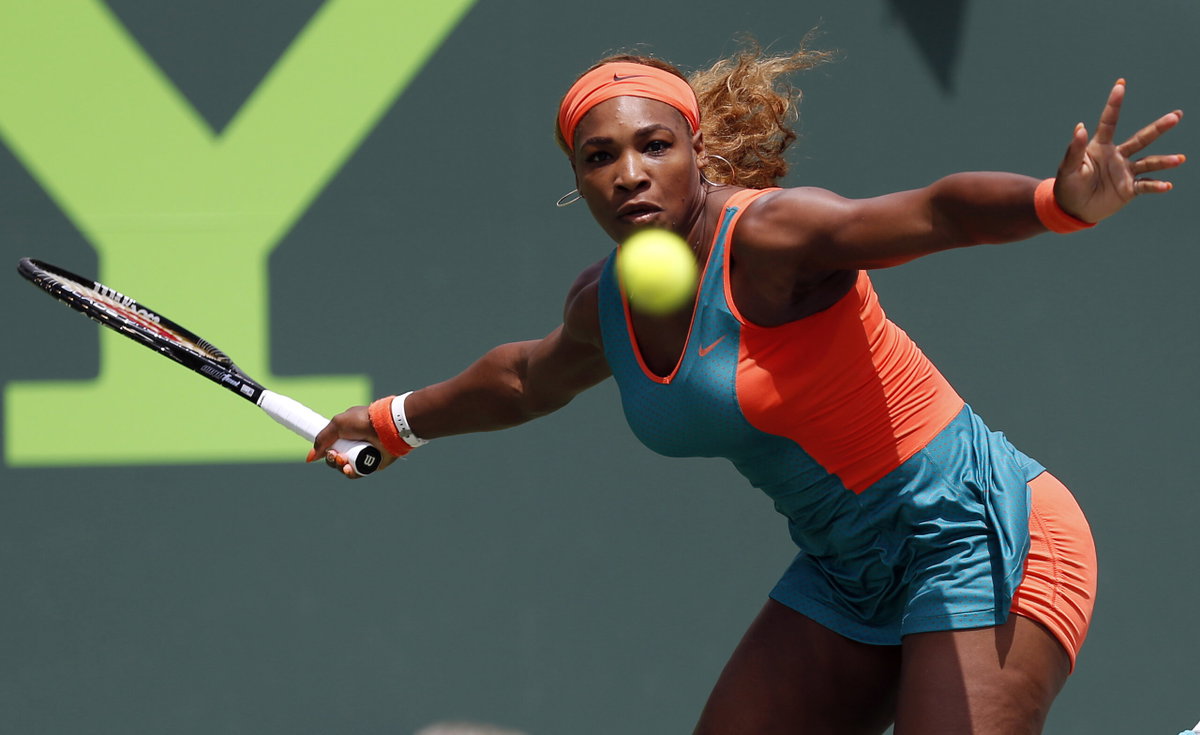
USA Today via Reuters
Mar 27, 2014; Miami, FL, USA; Serena Williams hits a forehand against Maria Sharapova (not pictured) on day eleven of the Sony Open at Crandon Tennis Center. Mandatory Credit: Geoff Burke-USA TODAY Sports
Modern racquets are made with advanced materials that go above $200. String, shoes, and gear also need frequent replacement, which costs more. Court access has shifted to more private clubs, which charge memberships and hourly fees.
Then coaching also got expensive. Private lessons might range from $60-$100 per hour. If we break the total cost now, it goes like this for a beginner, which includes equipment, coaching, and court fees. The amount goes to $150-$300, and annual fees go to $40,000+. And to turn professional, the cost goes upto $100,000 to $300,000.
Baseball
In 1901, baseball gear was very cheap. A good baseball used to cost only $1.25, and a good bat cost only $0.75. Families today pay a lot more for youth baseball than they used to, and this story shows how big the change is. A parent named Lindsey Rector tracked every expense while her 12-year-old son played travel baseball in Florida. She pays about $60 every week just for training, and she also bought a new bat that costs around $500.
Her son’s club baseball team costs about $3,000 every year just for practices and basic participation. On top of that, she still has to pay extra for tournaments in other states like Tennessee and New York. She estimates that she spends at least $8,000 every year on her child’s baseball, and she says it feels very expensive and hard to manage financially.
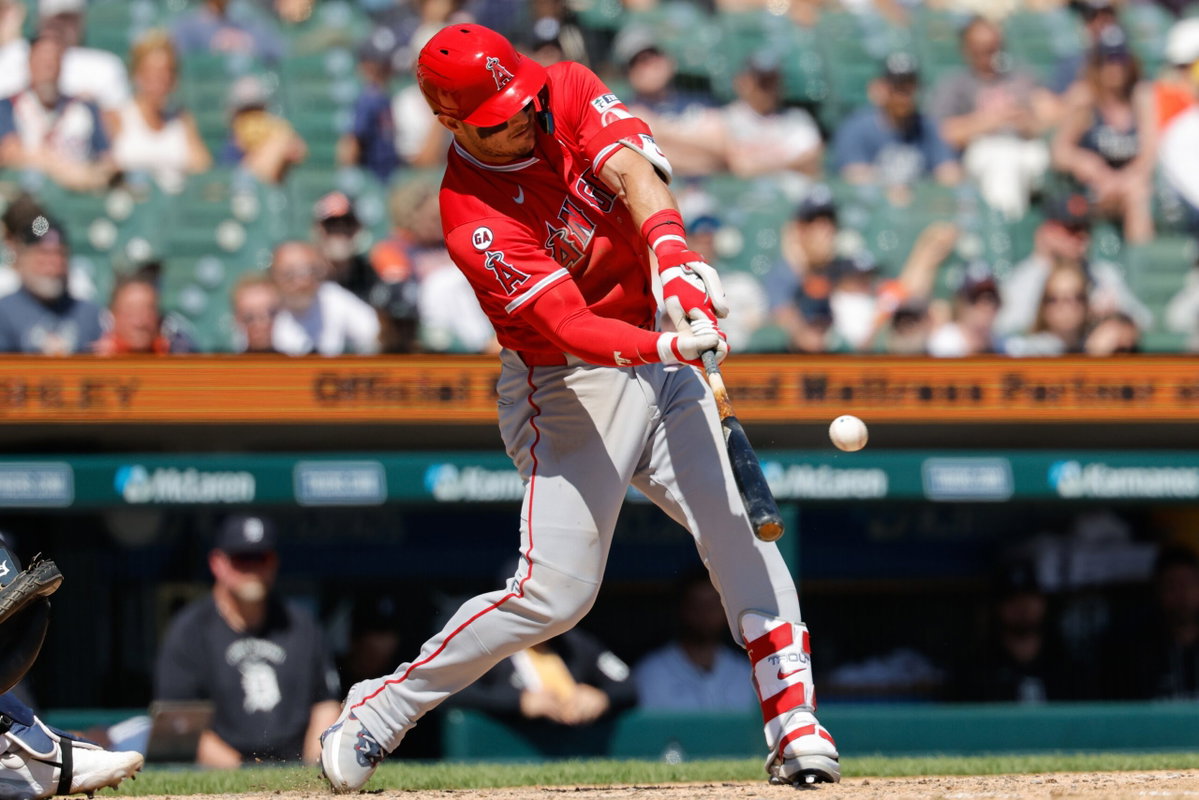
Imago
May 28, 2026; Detroit, Michigan, USA; Los Angeles Angels center fielder Mike Trout (27) hits an two RBI double in the ninth inning against the Detroit Tigers at Comerica Park. Mandatory Credit: Rick Osentoski-Imagn Images
Now, you wonder why players ask for better NIL deals or contracts. If a normal background player spends such a sum of money from his development to training, to playing games, to turning pro, he or she will want the highest returns on that investment.
In short, to become an elite athlete these days, you need to spend more. But what hurts the most is that there’s no guarantee that all the money you spent will be worth it. Without grassroots-level programs and accessibility to world-class training, aren’t we limiting the inflow of talent to these sports?